How to Start Spearfishing (Safely)
 by Yannick Schroth
Jul 29, 2026
9 min read
by Yannick Schroth
Jul 29, 2026
9 min read
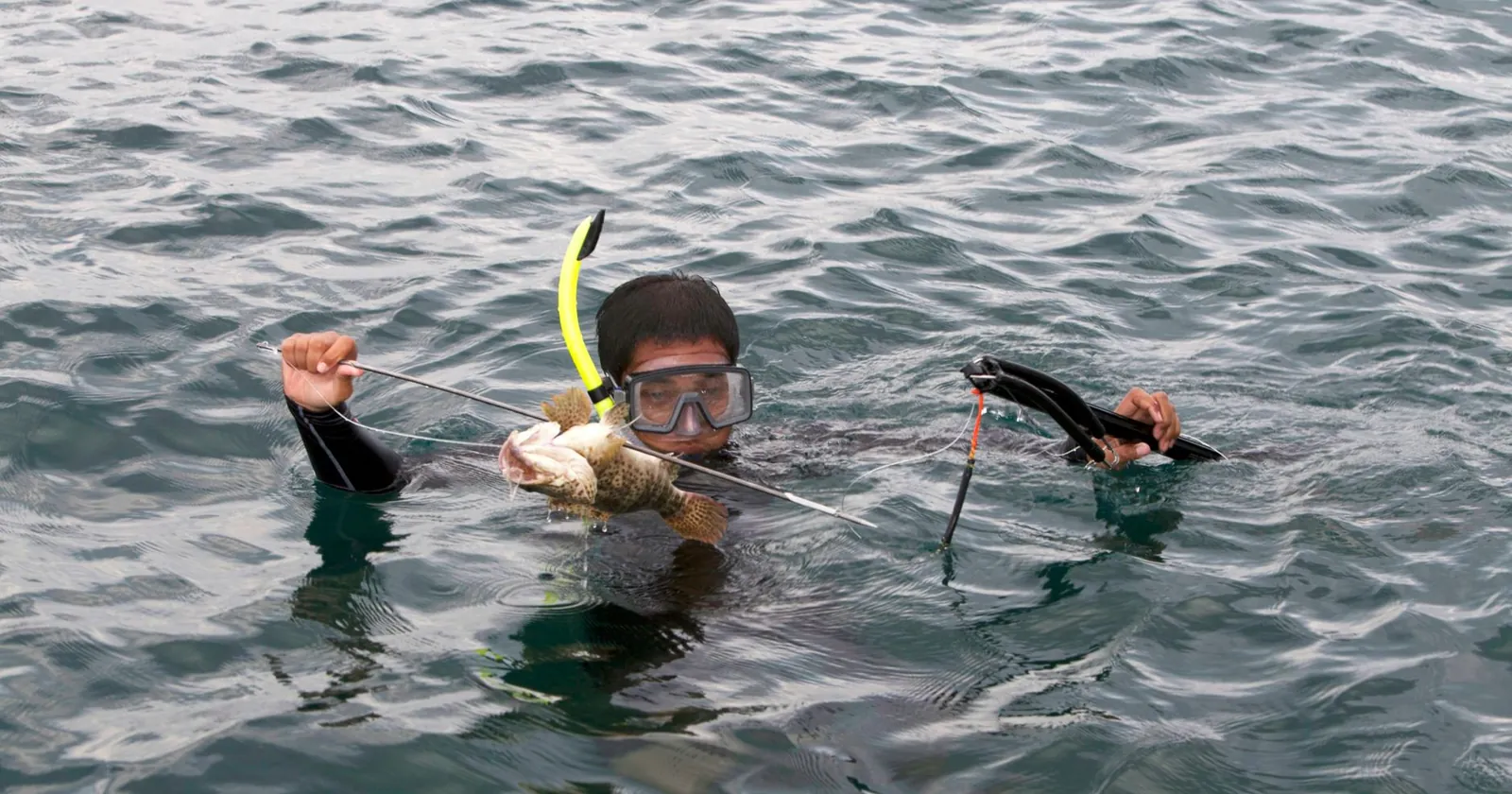
Photo: Jeffry Surianto via Pexels (free licence).
This is general safety information, not a substitute for a freediving or spearfishing course.
Key takeaways
- It is freediving first: take a freediving or spearfishing course.
- Never dive alone: one up, one down, every single dive.
- Shallow water blackout is the killer; never hyperventilate, never max out.
- Know the law: licences, protected species, limits, no-take zones.
- Fish sustainably: take only what you will eat, shoot cleanly.
Spearfishing is freediving with a purpose
Almost all recreational spearfishing is done on a single breath, which makes it a form of freediving. Everything that keeps a freediver safe, breathing, equalisation, relaxation, and the buddy system, applies here, with a spear added. So the honest first step is not buying a gun; it is learning to freedive well and safely, ideally on a recognised freediving or dedicated spearfishing course.
The safe beginner path
Step 1: Take a course
A freediving or spearfishing course teaches you to dive relaxed and within your limits, to equalise, and, most importantly, to manage risk with a buddy. This is the difference between a fun new sport and a dangerous one.
Step 2: One up, one down, always
Never spearfish alone. Use the one-up-one-down system: one diver goes down while the other watches from the surface, ready to help, then you swap. Spearfishing and harvesting are the most common activity in the breath-hold fatalities DAN records, and blackout near the surface is the mechanism the reports keep describing, so a watching buddy is exactly what turns a blackout into a rescue.
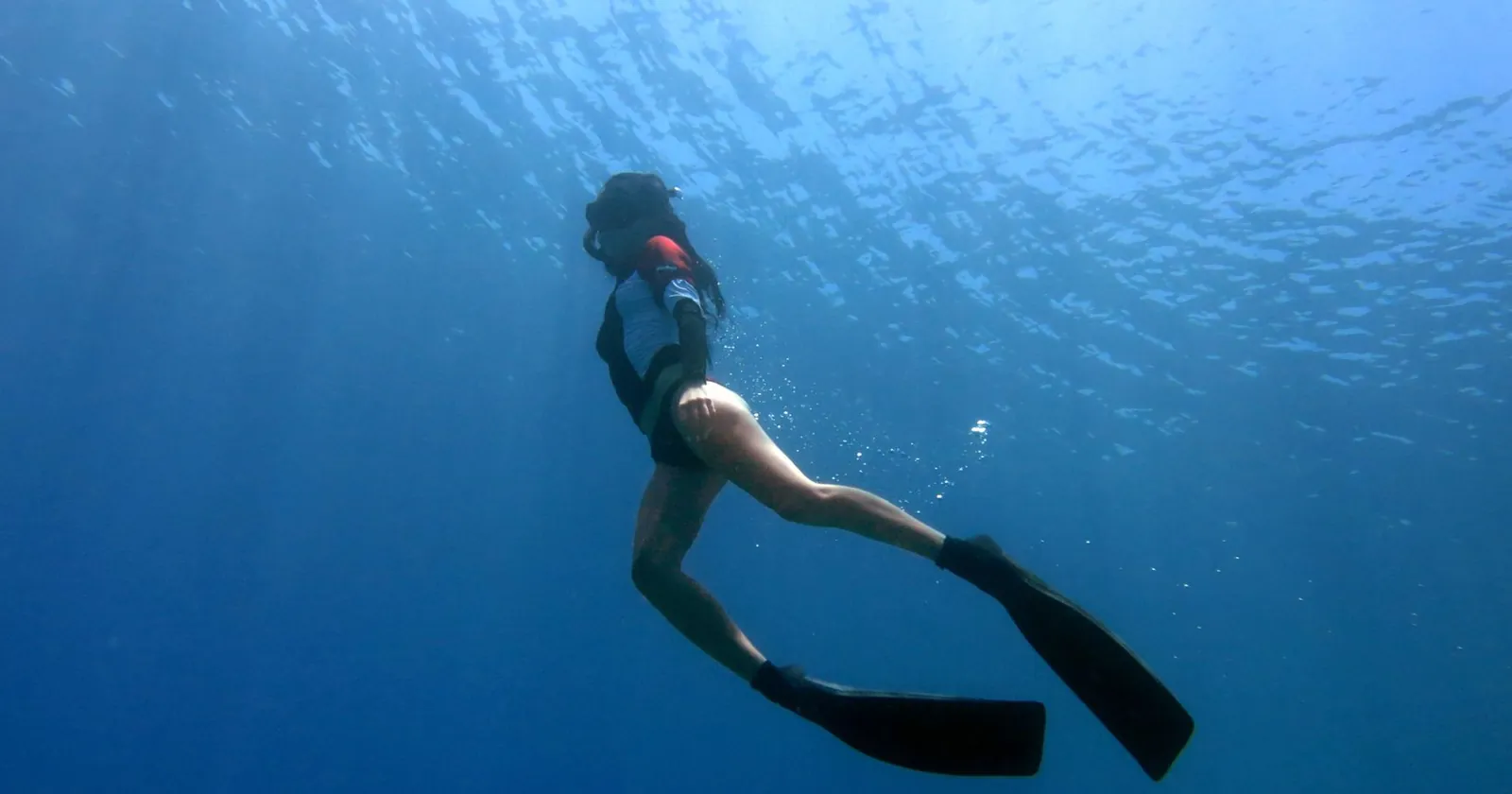
Step 3: Respect shallow water blackout
Shallow water blackout is a loss of consciousness from low oxygen, often near the surface at the end of a dive, frequently with no warning. DAN's own wording is careful and worth copying: hyperventilation-induced blackout is "probably the greatest single threat to life from breath-hold diving". Probably, because nobody can say it with certainty: there is no formal reporting system for recreational spearfishing, and DAN writes that its data on fatal cases is unlikely to reflect the true totals. Treat it as the risk that dominates the sport, not as a counted statistic. Two rules protect you: never hyperventilate (fast, deep breathing removes the urge to breathe without adding oxygen and makes blackout more likely), and dive well within your limits, never to the edge. See our freediving safety guide.
Step 4: Know the law and dive safe from boats
Spearfishing rules differ everywhere: licences, protected species, size and bag limits, no-take and marine protected areas, and restrictions on the equipment you may use. Research and follow the local laws before you fish. Use a surface float and dive flag so boats can see you, and manage your line to avoid entanglement.
How specific those rules get, in one real example. Florida bans spearing entirely for a named list of species (billfish, sharks, snook, tarpon, goliath grouper, red drum, spotted seatrout, bonefish, permit and the ornamental reef fish families), keeps you 100 yards from a public swimming beach or any commercial or public fishing pier and 100 feet from the exposed part of a jetty, and prohibits powerheads, bangsticks and rebreathers (FWC). The dive flag is a statute, not a courtesy: Florida law sets the flag at 12 by 12 inches on a buoy and 20 by 24 inches on a vessel, requires a stiffener so it stays extended without wind, and puts divers and vessels within or outside 100 feet in rivers, inlets and navigation channels and 300 feet in open water (Fla. Stat. 327.331). New South Wales shows the other axis, the equipment: spearfishers there may use scuba for scallops and sea urchins only, and hookah apparatus, a light with a speargun and powerheads are all prohibited outright (NSW DPI, January 2024). So in one place you may spearfish on scuba and in another you may not, which is the whole argument for reading your own jurisdiction rather than a generic guide. None of this carries to your destination. It is here to show you the level of detail to go looking for before you get in the water. Checked 12 August 2026.
Step 5: Fish sustainably
Take only what you will eat, respect size and species rules, avoid spawning aggregations and vulnerable species, and aim for clean, humane shots. Done responsibly, spearfishing is one of the most selective, low-impact ways to catch a fish.
What gear do you need?
A pole spear or speargun, a freediving wetsuit, a weight belt with quick-release, long freediving fins, a low-volume mask and snorkel, a knife, and a float with a dive flag. See our spearfishing gear guide, and learn the diving before you focus on the weapon.
Where blackouts actually happen, and what that means for your buddy
"Shallow water blackout is the killer" is true but vague, and the precise version changes how you dive. DAN on freediving safety states that "99 percent of blackouts happen either at the surface or within 16 feet of it", roughly the top 5 metres. The danger zone is not the bottom of the dive, it is the last few metres and the moment you break the surface, which is exactly where people relax and where a buddy who has already turned away stops being useful.
That is why "one up, one down" is not a slogan about taking turns. DAN puts the requirement as "freedivers need to have eyes on each other on every dive and be close enough to intervene if needed", and adds a depth rule most recreational spearos have never heard: "with deeper depths, longer bottom times or more strenuous dives, buddies may need to meet the diver at one-third their depth to ensure protection of the airway in case of an underwater blackout." Watching from the surface is not the same as meeting your buddy on the way up.
Two further points from DAN that we would rather you hear now than learn later. On hyperventilation, the two most repeated tenets in breath-hold diving are never to dive alone and to avoid hyperventilating beforehand, because excessive hyperventilation on its own is enough to cause a blackout: it suppresses the urge to breathe without adding meaningful oxygen, so it removes your warning rather than extending your dive.
And on the limits of the buddy system, which is the honest part: "a good buddy can retrieve you if you encounter a problem while freediving, but being overweighted could put you in a situation that even the most vigilant and highly trained buddy might be unable to manage." A buddy is your last line, not a licence. Correct weighting, conservative depths and a real course sit in front of it.
Quoted from DAN on freediving safety, checked 8 August 2026. Metric conversion of 16 feet is ours and rounded. This is general safety information, not training: breath-hold diving is taught in person for a reason, and no article substitutes for a course and a competent buddy.
FAQ: starting spearfishing
Do I need to learn freediving before spearfishing?
Yes, in practice you should. Spearfishing on a single breath is a form of freediving, so the breathing, equalisation, relaxation and, most importantly, the safety skills are the same. Taking a recognised freediving or dedicated spearfishing course before you start teaches you to dive comfortably and, crucially, to manage the risk of shallow water blackout with a buddy. Adding a spear to poor freediving skills is how people get into danger.
What is shallow water blackout?
Shallow water blackout is a sudden loss of consciousness caused by low oxygen, often near the surface at the end of a breath-hold dive, and frequently with no warning to the diver. DAN describes hyperventilation-induced blackout as probably the greatest single threat to life from breath-hold diving, and says plainly that its fatality data is unlikely to reflect the true totals because recreational spearfishing has no formal reporting system. The defences are to never dive alone, always use the one-up-one-down buddy system so someone can rescue you, never hyperventilate to extend a dive, and always dive well within your limits rather than pushing to the edge.
Is it safe to spearfish alone?
No. Spearfishing alone is dangerous and strongly advised against, because if you suffer a shallow water blackout with no one watching, there is no one to rescue you. The core safety rule is to always dive with a buddy using the one-up-one-down system, where one person dives while the other watches from the surface, then you swap. This single habit prevents the most common cause of spearfishing fatalities. Never dive to your limit, and never dive alone.
Do I need a licence to spearfish?
It depends entirely on where you are. Spearfishing is regulated very differently around the world: some places require a licence, many have protected species, size and bag limits, no-take and marine protected areas where it is banned, and rules on which equipment you may use: Florida prohibits powerheads, bangsticks and rebreathers, while New South Wales allows scuba only for scallops and sea urchins and bans hookah apparatus outright. It is your responsibility to research and follow the local laws before you fish, as penalties can be serious and rules protect fragile ecosystems. When in doubt, ask a local spearfishing club or shop.
Should I start with a speargun or a pole spear?
Many beginners start with a pole spear (a simple spear powered by a rubber loop) because it is affordable, simple, and encourages close, careful, selective shots and good diving skills, or with a modest speargun. The best first weapon depends on your local fishing and advice from a course or club. Whatever you choose, competence with your freediving and safety comes first; the weapon is the last thing to worry about, not the first.
Yannick Schroth
Founder of NOMADREEF and a former digital nomad. This guide covers the safety-first basics of getting into spearfishing; it is not a substitute for a freediving or spearfishing course. Shallow water blackout is a genuine, fatal risk, so never dive alone. About the author · LinkedIn ↗
Sources
- DAN (Divers Alert Network), freediving safety. "99 percent of blackouts happen either at the surface or within 16 feet of it"; the requirement that buddies "have eyes on each other on every dive and be close enough to intervene"; the one-third-depth meeting guidance for deeper or more strenuous dives; and the warning that a buddy cannot always recover an overweighted diver. DAN on freediving safety, checked 8 August 2026. Metric conversions are ours and rounded.
- DAN Annual Diving Report, breath-hold chapters. The 2017 edition states that "hyperventilation-induced blackout is probably the greatest single threat to life from breath-hold diving" and, in the same chapter, that "it is highly unlikely, in any case, that our data on fatal cases reflects the true total numbers". The 2021 edition (2019 data) records a mean of 52 breath-hold fatalities a year, names spearfishing and harvesting as the most common activity in those cases, and notes that "there is no regulation of common breath-hold activities such as snorkeling, spontaneous breath-hold diving, and recreational spearfishing, nor is there a formal reporting system for related incidents and injuries". 2017 edition, 2021 edition, both checked 12 August 2026. Corrected 12 August 2026: earlier versions of this page called shallow water blackout "the leading cause of freediving and spearfishing deaths" as if it were a counted statistic. DAN says "probably", and explains why nobody can say more: the denominator does not exist. The advice does not change, but the certainty was ours, not the source's.
- Florida Fish and Wildlife Conservation Commission, spearing rules, and Fla. Stat. 327.331. Used only as a worked example of how detailed local rules get: the prohibited-species list, 100 yards from a public swimming beach or commercial or public fishing pier, 100 feet from the exposed part of a jetty, and the ban on powerheads, bangsticks and rebreathers; then the divers-down device itself, 12 by 12 inches on a buoy, 20 by 24 inches on a vessel, a stiffener so it stays extended without wind, and the 100 feet (rivers, inlets, navigation channels) and 300 feet (open water) rules for divers and vessels alike. FWC, Fla. Stat. 327.331, checked 12 August 2026. None of it applies outside Florida.
- NSW Department of Primary Industries, Recreational Spearfishing Guide, January 2024. The clearest published example of a breathing-apparatus rule. Spearfishers and divers "are permitted to use ... SCUBA for scallops and sea urchins only", and are "not permitted to use ... hookah apparatus", "a light with a spear/spear-gun/bow & arrow", or "powerheads and/or explosive devices". The same guide carries the state's own safety instructions, which are the ones this article gives: "Never hyperventilate. Shallow water blackout is a real danger", "Never spearfish alone and always inform others of your fishing plans", "Always dive with a buddy in sight of you at all times and practice the 'one diver up, one diver down' rule", "Always handle your speargun as if it is loaded", and "Never load your speargun while out of the water". NSW DPI guide (PDF), checked 12 August 2026. Worth noting for the buddy rule: it is not only agency advice, a fisheries authority publishes it too.
- Freediving agency training standards (AIDA, Molchanovs, PADI Freediver, SSI Freediving and equivalents) for course structure, the buddy protocol and depth progression. Agencies differ; the standard you trained under governs.
- General safety information only, and deliberately not a substitute for in-person training. Breath-hold diving kills competent, fit people who dive alone or push a limit, which is why every agency teaches it face to face with a safety diver in the water.