Fuerteventura: A Surf and Windsurf Base for Digital Nomads
 by Yannick Schroth
Jul 31, 2026
7 min read
by Yannick Schroth
Jul 31, 2026
7 min read
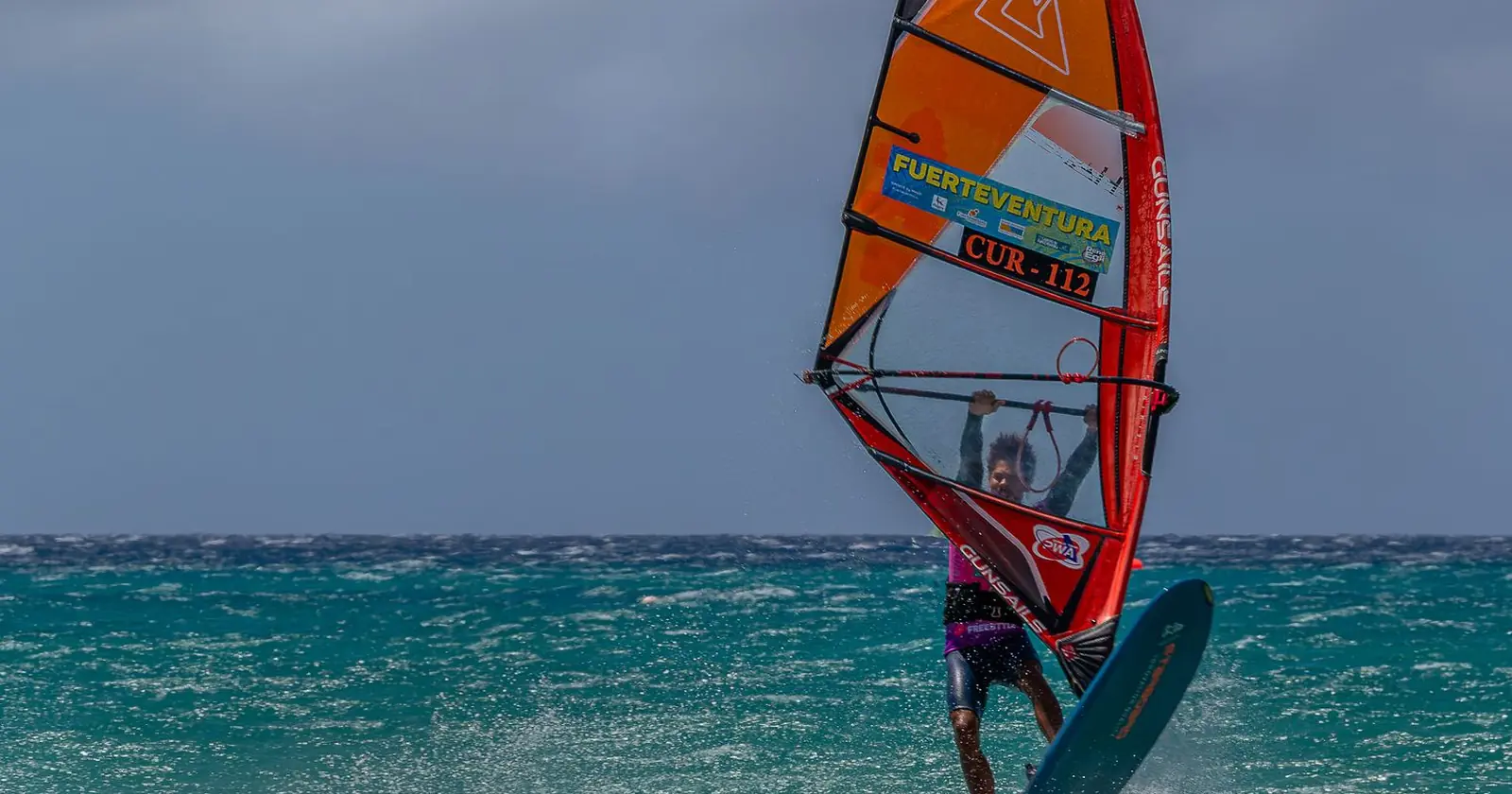
Photo: Paulino Acosta Santana / Pexels.
Figures are indicative and "as of 2026"; verify prices, seasons and visa rules before you rely on them.
Key takeaways
- Two islands in one: North Shore surf around Corralejo/El Cotillo, Sotavento wind and kite in the south
- Truly year-round: warmest water about 23C in September, winter still roughly 19C in a 3/2 wetsuit
- Surf peaks and gets busy October to March; wind peaks April to September when trades blow hardest
- Corralejo is the nomad hub with fibre coworking; budget roughly 2,000 to 3,000 euros a month for one person
- EU citizens stay freely; others get 90 days in 180, or apply for Spain's digital nomad visa
The watersport: North Shore surf and Sotavento wind
Fuerteventura splits neatly in two. The North Shore, the coast between Corralejo, Majanicho, Lajares and El Cotillo, is a string of volcanic reef and beach breaks often called the Hawaii of Europe for its heavy, uncrowded waves. Beginners start in the sheltered El Cotillo lagoon or the Grandes Playas beach breaks south of Corralejo; confident surfers graduate to reefs like Majanicho, a comparatively friendly volcanic reef break, or the long right-hand point off Isla de Lobos for experts only.
The south is windsurf and kite country. Playa de Sotavento near Costa Calma has a huge tidal lagoon that fills at high tide into near-flat, waist-deep water, about as forgiving a place to learn windsurfing as exists, with open ocean alongside for wave and slalom sailing. It hosts the Fuerteventura Windsurf and Wingfoil World Cup (PWA slalom, freestyle and wing) every summer, which tells you how dependable the wind is.
Plenty of surf schools, windsurf and kite centres and board-hire outfits operate in both hubs; book lessons or a locker rather than lugging your own quiver on a budget flight if you are only staying a few weeks.
When to go: it depends which sport you came for
For surfing, the prime season is roughly October to March, when North Atlantic swells hit the North Shore and the reefs fire. That is also when line-ups get busiest and the water is coolest (still around 19C, a 3/2 or 2mm wetsuit). April to September brings smaller, gentler waves, better for beginners and intermediates and quieter in the water.
For wind, flip it. The north-easterly trade winds blow hardest and most consistently from roughly April to September, with 30 to 40 knots common in high summer and gusts that can top 50, which is exactly why the World Cup runs in late July and early August. Winter wind is lighter and less reliable.
Water is warmest at about 23C in September and never truly cold, so this is a genuine year-round base. If you want both sports at once, spring and autumn are the sensible compromise. Figures here reflect typical conditions as of 2026; check a live forecast before you commit.
The nomad reality: wifi, cost and the scene
Corralejo in the north is the main nomad hub: a laid-back, slightly scruffy beach town with a real surf and remote-work scene. Coworking spaces such as CoNomad advertise fast symmetrical fibre (around 700 Mb/s), phone booths and private cabins, and there are cheaper co-working and coliving options in town and in nearby Lajares. Home broadband in furnished flats is usually fine for calls but varies, so test before you commit to a long stay and keep a mobile-data eSIM as backup.
On cost, as of 2026 a furnished one-bedroom flat in Corralejo runs roughly 700 to 1,000 euros a month, coliving suites from around 950 euros, and nomad cost trackers put a single person's all-in monthly spend near 2,500 to 3,000 euros. It is EU-priced, not Southeast-Asia cheap. Verify current numbers before you budget.
On entry, EU and EEA/Swiss citizens can live and work here freely. Everyone else gets the Schengen 90 days in any 180 as a tourist. For longer, Spain's Digital Nomad Visa lets non-EU remote workers stay (initially up to a year from a consulate, renewable as a residence permit toward five years), with an income threshold around 2,849 euros a month as of 2026. Rules and figures change, so confirm with a Spanish consulate before relying on them.
Getting there and getting around
Fuerteventura Airport (FUE) is a short hop from northern Europe: London is about four hours and fifteen minutes, served cheaply by easyJet, Ryanair, Jet2 and others, which is a big part of the appeal versus long-haul surf trips.
Once there you will almost certainly want a hire car. The island is spread out, the best surf shifts with wind and swell between north-facing and west-facing coasts, and public transport is thin. Factor a rental into your budget or plan to base tightly around Corralejo and pay for lifts to spots.
Safety note: reefs, wind and shore break
The North Shore is volcanic rock, not sand. Many breaks are shallow reef with sharp lava, sea urchins and rip currents; entries and exits involve walking over reef. Wear boots, go with someone who knows the spot, never surf a heavy reef beyond your level, and treat Lobos and the outer reefs as expert-only.
The wind that makes Sotavento great also makes it hazardous. Strong offshore and cross-shore trades can blow a beginner windsurfer or kiter out to sea fast; take lessons, stay inside the lagoon until you can reliably self-rescue, and respect launch rules and other water users.
General water sense applies: check the forecast and tides, mind the shore break on the beach breaks, do not surf alone in big swell, and carry proper travel insurance that explicitly covers surfing and windsurfing. Occasional calima (Saharan dust) events can also cut visibility and air quality.
FAQ: Fuerteventura
Is Fuerteventura good for beginner surfers or only experts?
Both, if you pick the right spot and season. Total beginners learn in the El Cotillo lagoon or on the beach breaks south of Corralejo, ideally in the calmer April-to-September months. The famous North Shore reefs (Majanicho, Lobos and friends) are shallow volcanic rock and are for confident intermediates and experts, so book a school if you are unsure.
When is the wind best for windsurfing and kitesurfing?
The trade winds are strongest and most reliable from roughly April to September, with 30 to 40 knots common in high summer at Sotavento in the south. That is peak season for windsurf and kite. Winter wind is lighter and patchier, so come in the warmer half of the year if wind is your priority.
How much does it cost to base yourself there for a month?
As of 2026, expect a furnished one-bedroom in Corralejo around 700 to 1,000 euros a month and a single person's total spend somewhere near 2,500 to 3,000 euros including food, transport and a coworking desk. It is comfortably EU-priced rather than cheap. Prices move, so verify before you budget.
Can I legally stay and work remotely as a non-EU nomad?
EU, EEA and Swiss citizens can stay and work with no time limit. Everyone else gets 90 days in any 180 under Schengen as a tourist. For longer you would apply for Spain's Digital Nomad Visa, which as of 2026 needs roughly 2,849 euros a month of foreign-sourced income; confirm the current rules with a Spanish consulate.
Is the wifi actually good enough for video calls?
In the coworking hubs, yes: Corralejo spaces advertise fast symmetrical fibre. Home broadband in furnished flats is usually fine but varies flat to flat, so test the connection before committing to a long stay and carry a data eSIM as a backup for calls.
Yannick Schroth
Founder of NOMADREEF and a former digital nomad. This guide is honestly sourced from the references below; conditions, prices and rules change, so verify current details, and follow qualified local guidance and safety briefings. About the author · LinkedIn ↗
Sources
- Fuerteventura Windsurf and Wingfoil World Cup official site (PWA event dates, Sotavento conditions)
- Regional and specialist surf guides for the North Shore (spots, seasons, difficulty, reef hazards)
- Spanish government and immigration guidance on the Digital Nomad Visa and Schengen entry rules (income thresholds, durations)
- Nomad cost-of-living trackers and Corralejo coworking listings (rent, monthly spend, fibre speeds)
- Canary Islands sea-temperature and airline route data (water temps, flight times from the UK)