Ericeira: A Digital Nomad Base for Surfers
 by Yannick Schroth
Jul 31, 2026
7 min read
by Yannick Schroth
Jul 31, 2026
7 min read
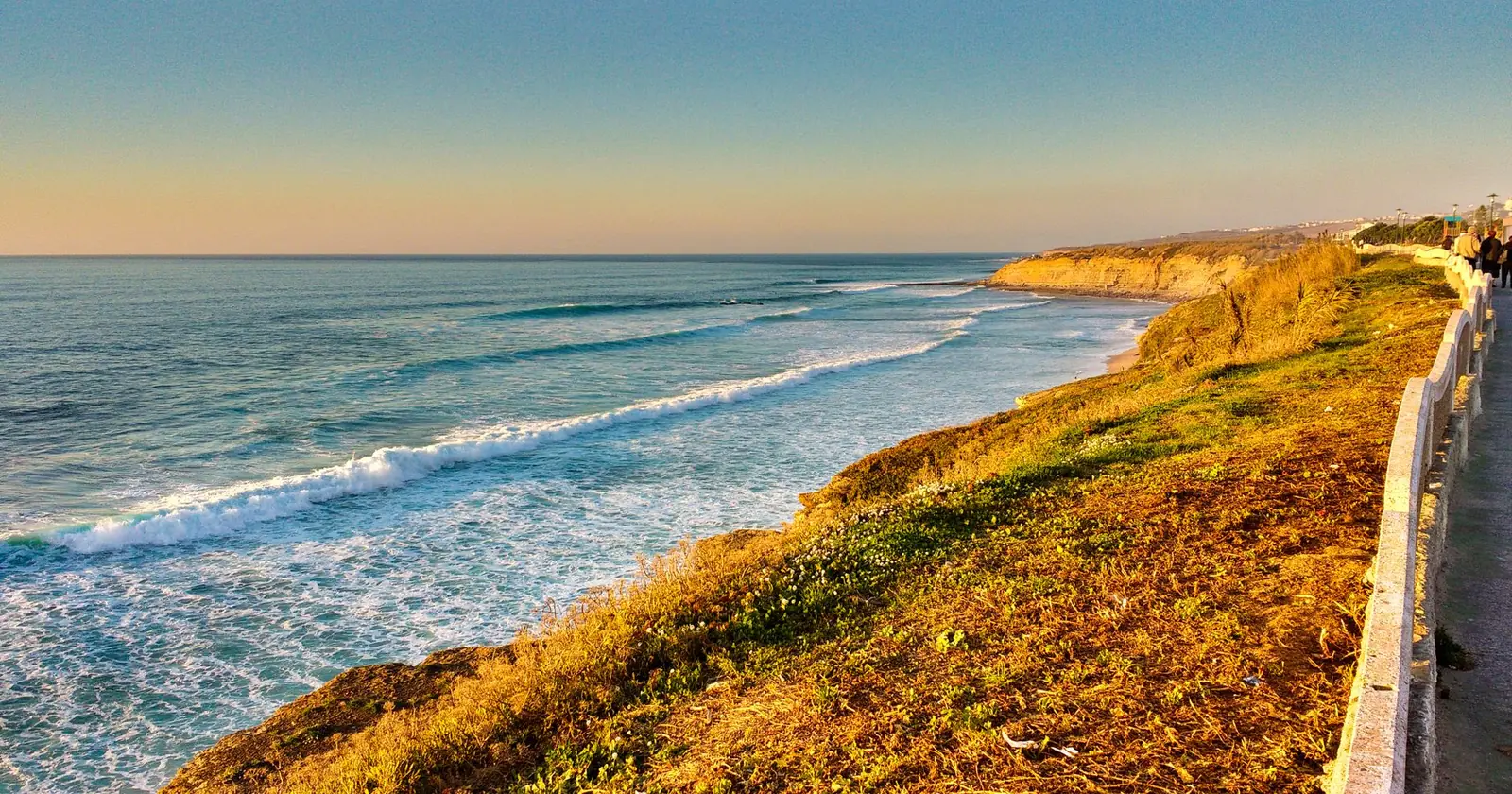
Photo: Moisés Pereira / Pexels.
Figures are indicative and "as of 2026"; verify prices, seasons and visa rules before you rely on them.
Key takeaways
- Europe's only World Surfing Reserve: around a dozen quality breaks within a short drive, from sandy beginner beaches to expert reef points like Coxos
- Best window is autumn (September to October): solid swell, warmest water of the year and thinner crowds than summer
- Cold Atlantic year-round: plan on a 4/3 wetsuit as your one do-it-all suit, thicker in winter
- Rough nomad budget is around EUR 1,200 to 1,800 a month; verify current rents before you commit as prices have climbed
- Reliable cafe and coworking wifi, but book accommodation with a tested connection if your work depends on it
The surf: a World Surfing Reserve on your doorstep
Ericeira was declared a World Surfing Reserve in 2011, the first in Europe and still the only surfing town on the continent to hold the status. What that protects is remarkable density: a run of high-quality breaks packed into a short stretch of coast, so you can check several spots in a single morning drive.
Beginners head for the sandy, forgiving beach breaks such as Foz do Lizandro and Praia do Sul, where most of the surf schools run their lessons. Intermediates graduate to the long right-hand point at Ribeira d'Ilhas, the town's signature wave. Coxos, a fast, hollow right point, is widely called the best wave in Portugal and is firmly expert-only, over shallow rock and often crowded with locals who know it well.
Because the reserve faces the open Atlantic it picks up swell reliably, which is exactly why it works as a base: on most days during the season something rideable is breaking somewhere within a few minutes of town.
When to go: seasons, swell and the honest trade-offs
The prime surf season runs roughly October to May, when North Atlantic swells arrive with real power. Winter (November to March) delivers the biggest, most consistent waves, but also the coldest water and the most unsettled weather for working and living.
For most nomads the sweet spot is September and October: you get solid autumn swell, the warmest sea of the year and noticeably fewer people than the July to August tourist peak. Summer itself is the weakest surf and the busiest town, though it is the driest, sunniest time to actually live there.
The honest tension is that the best surf and the most comfortable living conditions do not fully overlap. Come in autumn and you get the best compromise; come in deep winter for the waves and accept grey, wet spells and cold sessions.
The nomad reality: wifi, cost of living and visas
Ericeira has a genuine remote-work scene with several coworking spaces and cafes where the wifi is generally reliable. That said, connections in older flats and colivings vary, so ask any host for a speed-test screenshot before booking if your job depends on video calls or large uploads.
As of 2026, a realistic monthly budget lands around EUR 1,200 to 1,800 depending on how you live, with accommodation the big swing factor and a coworking desk roughly EUR 150 to 250. Rents have risen and Ericeira is now pricier than smaller Portuguese towns, if still cheaper than central Lisbon. Treat all figures as ballparks and verify current prices before you rely on them.
On entry: Portugal is in the Schengen area, so many nationalities (including UK, US, Canada and Australia) can stay visa-free for up to 90 days in any 180-day period. For a longer base, Portugal's D8 digital nomad visa is the usual route; as of 2026 it requires proof of remote income of roughly EUR 3,680 per month. Rules and thresholds change, so confirm with an official Portuguese consulate or the immigration service before you plan around them.
Getting there and getting around
You fly into Lisbon, the nearest airport, then cover the final 50-ish kilometres by road. Direct buses run from Lisbon (the Mafrense line) and take around an hour and a bit; a taxi or transfer is quicker and pricier.
In town itself you can walk almost everywhere, and the main breaks string along the coast just north and south. To chase waves properly, though, a car helps a lot: it turns a dozen scattered spots into an easy dawn surf-check circuit and frees you from bus timetables.
Safety note: cold water, rock and powerful surf
This is open-Atlantic surf, not a warm mellow point, and it deserves respect. Water is cold year-round, from around 18C at the late-summer peak down to roughly 14 to 16C in February, so hypothermia and stiff, tired muscles are real factors. Wear enough wetsuit: a 4/3 is the sensible year-round choice, with a thicker 5/4 plus boots in winter.
Many of the best waves, including Coxos and the reef spots, break over shallow rock and shelf, where wipeouts carry a genuine injury risk. Match the spot to your ability honestly, start on the sandy beach breaks, and do not paddle out at a reef point just because it looks good from the cliff.
Rip currents, powerful shore break and sudden swell jumps are all part of the deal. Check a reliable surf forecast, ask at a local surf school about the day's conditions, never surf alone when it is big, and if you are learning, book lessons rather than guessing. When in doubt, sit it out.
FAQ: Ericeira
Is Ericeira good for beginner surfers?
Yes. The sandy beach breaks like Foz do Lizandro and Praia do Sul are forgiving and host most of the surf schools, so it is a solid place to learn. Just stay away from the rock-bottom reef points such as Coxos until you genuinely know what you are doing, and book lessons rather than self-teaching in Atlantic surf.
When is the best time to go to Ericeira?
September and October are the sweet spot: reliable autumn swell, the warmest water of the year and fewer crowds than the summer tourist peak. Winter (roughly November to March) has the biggest, most consistent waves but colder water and more unsettled weather for living and working.
Do I need a wetsuit, and how thick?
Yes, all year. The Atlantic here stays cold, from about 18C in late summer down to roughly 14 to 16C in February. If you bring one suit, make it a 4/3; add a 5/4 with boots and hood for winter sessions.
How much does it cost to live in Ericeira as a nomad?
As of 2026, budget roughly EUR 1,200 to 1,800 a month depending on lifestyle, with accommodation the main variable and a coworking desk around EUR 150 to 250. It is cheaper than central Lisbon but pricier than smaller inland towns, and rents have climbed, so verify current prices before committing.
Can I legally stay and work remotely in Ericeira?
Short term, many nationalities get Schengen visa-free entry of up to 90 days in any 180-day period, during which you can work remotely for a non-Portuguese employer. For a longer base, Portugal's D8 digital nomad visa is the standard route and, as of 2026, needs proof of remote income of about EUR 3,680 a month. Confirm current rules with an official Portuguese consulate before you rely on them.
Yannick Schroth
Founder of NOMADREEF and a former digital nomad. This guide is honestly sourced from the references below; conditions, prices and rules change, so verify current details, and follow qualified local guidance and safety briefings. About the author · LinkedIn ↗
Sources
- Save The Waves Coalition, official World Surfing Reserve designation and break profiles for Ericeira
- Portuguese government / consulate guidance on Schengen entry and the D8 digital nomad visa income thresholds (2026)
- Surf-forecast sea-temperature and wetsuit data for Ericeira breaks
- Digital-nomad cost-of-living and coworking write-ups for Ericeira (cross-checked ranges, 2026)
- Established Ericeira surf guides for break names, difficulty and seasonality