Sailing as a Digital Nomad: Living & Working from a Boat
 by Yannick Schroth
Jul 29, 2026
9 min read
by Yannick Schroth
Jul 29, 2026
9 min read
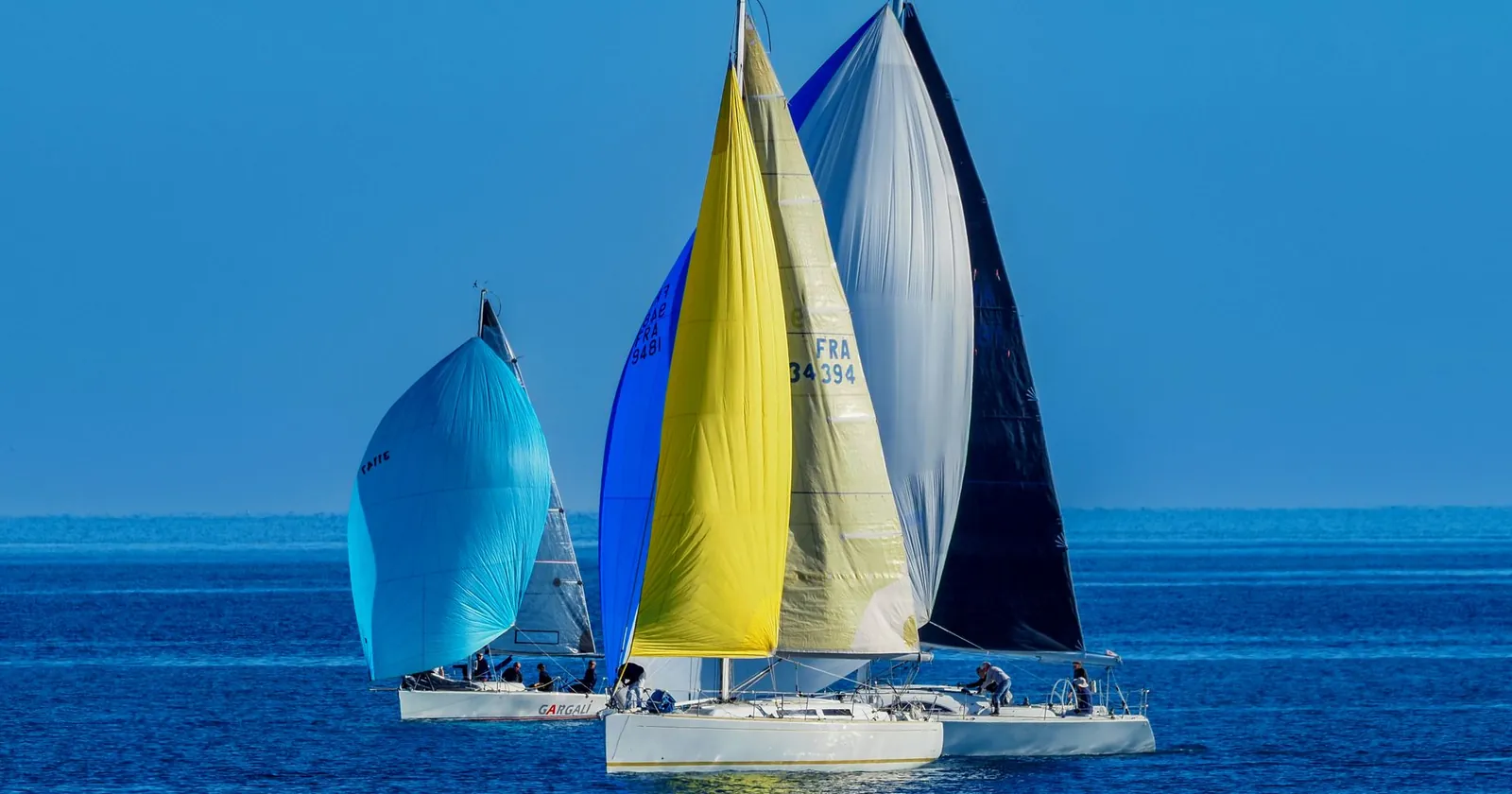
Photo: Eric Planet Olympus via Pexels (free license).
Costs, connectivity and rules vary hugely and change fast, verify current details before you commit.
Key takeaways
- Connectivity is solved-ish: Starlink changed working afloat; plan around coverage.
- Work at anchor, not underway; a moving boat is a hard office.
- Start by chartering or crewing, not by buying a boat.
- Owning a boat is costly; the purchase price is only the beginning.
- Learn the skills and safety; the sea does not forgive complacency.
The connectivity question (and why it changed)
For decades, the reason you could not be a nomad on a boat was simple: no internet. That has genuinely changed. Near shore, a phone or router with a local SIM or eSIM works within cell range, which covers a lot of coastal cruising. Further out, Starlink's roaming and maritime service has, since the early 2020s, put usable broadband on boats where only slow, expensive satellite phones existed before. Most boat-based nomads combine a coastal mobile setup with Starlink and still plan work around coverage and power. See our reliable internet guide.
What working afloat is really like
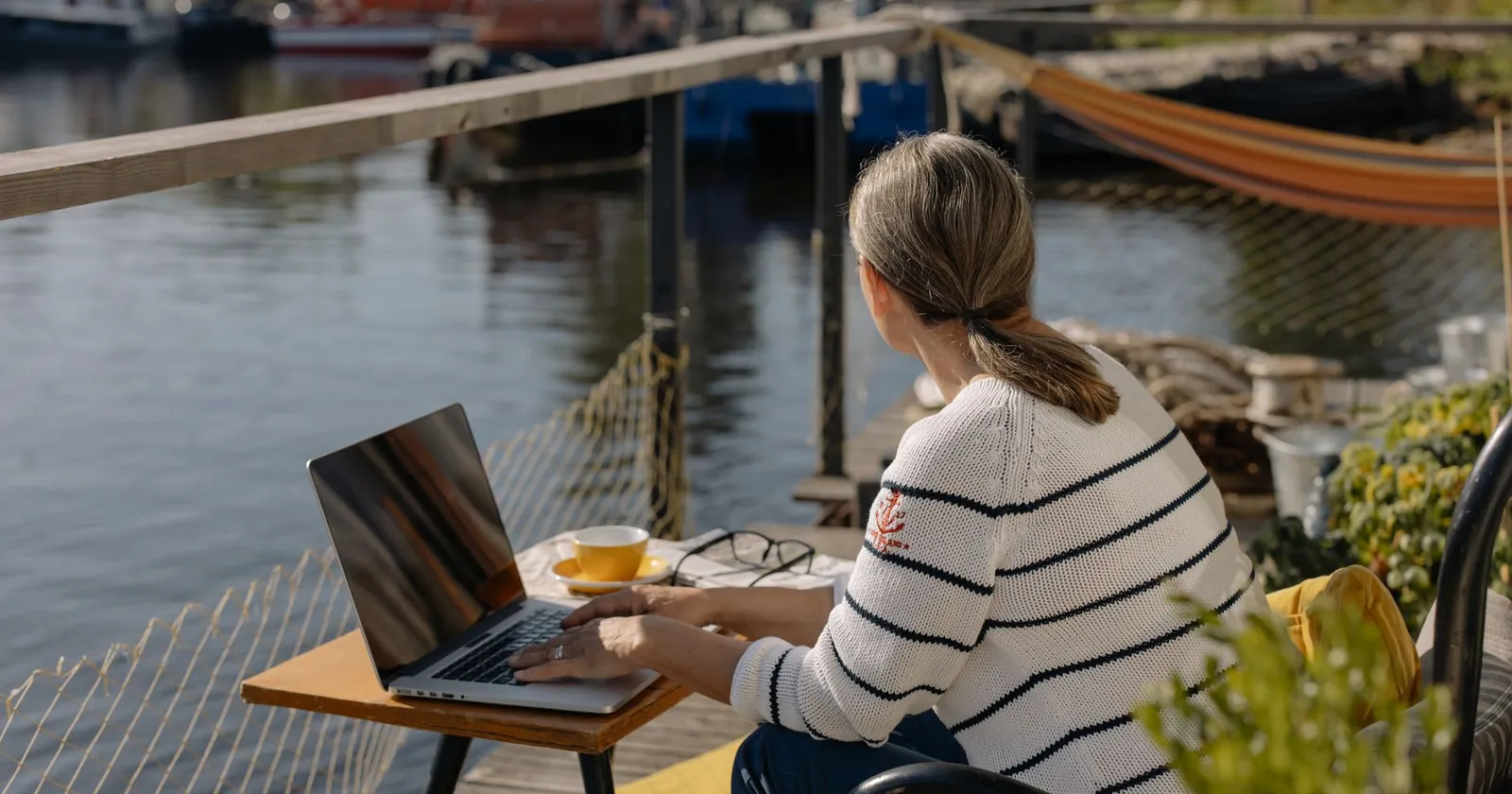
Connectivity is only part of it. You also manage power (solar and batteries), motion (typing in a seaway is genuinely hard, and video calls from a rolling boat are rough), and a small, changeable environment. The realistic model for most working nomads is to work while at anchor or in a marina, then sail between spots, rather than working on passage. Treat "I will work while crossing oceans" with scepticism.
The four ways in
- Charter: rent a yacht for a week or two, bareboat if qualified or skippered if not. The easiest taste of the life.
- Crew: join other people's boats, often free or cost-shared. The best way to gain miles, skills and confidence. See how to crew on a sailboat.
- Flotilla / cabin charter: a guided group of boats or a shared cabin, sociable and low-commitment.
- Own / live aboard: the big one, in cost, skill and commitment. Most people arrive here after the others, if at all.
What a year aboard actually costs
Boat life can be cheaper or far more expensive than land life, depending on your choices. Crewing can cost little beyond shared food. A charter is a defined holiday cost. Owning carries the famous truth that the purchase price is just the start, mooring, maintenance, insurance, gear and repairs add up every year. Budget honestly and be wary of romantic "sail the world for pennies" claims.
Where and when to sail: the seasons by cruising ground
Cruising follows the seasons and the weather windows: the Mediterranean in summer, the Caribbean in winter (with the classic Atlantic crossing from the Canaries in autumn), and Southeast Asia (Thailand, Langkawi) as a warm-water base. Always sail in the right season and avoid storm and cyclone seasons.
Is living aboard for you?
- Love the water and remote living? Few nomad lifestyles match a boat at anchor.
- Need reliable, high-bandwidth work every day? Be realistic; plan around coverage and consider a land base too.
- New to sailing? Crew and charter first; learn before you buy.
- Prone to seasickness? Test yourself on shorter trips before committing.
Skipper licence and insurance: the two costs people miss
The rulebook moves, and it moves on a schedule. World Sailing's Offshore Special Regulations “govern offshore racing for monohulls and multihulls, structural features, yacht equipment, personal equipment and training”, and they are republished every two years. The 2026–2027 edition took effect on 1 January 2026; on 26 May 2026 the Oceanic and Offshore Committee approved a change under Regulation 22.3(a), so a Version 2 takes effect on 1 January 2027. Even if you never race, it is worth knowing that a written standard for offshore equipment and training exists, is revised on a fixed cycle, and covers personal equipment and training rather than only the boat.
And the risk is not where the romance suggests. In the US Coast Guard's 2024 recreational boating statistics, the Coast Guard verified 3,887 incidents involving 556 deaths and 2,170 injuries. Where cause of death was known, 76 per cent drowned; where life-jacket use was known, 87 per cent were not wearing one. And where length was known, four of every five people who drowned were aboard vessels under 21 feet, not offshore yachts. The fatality rate was 4.8 per 100,000 registered vessels, down 2 per cent on 2023.
Those two figures point the same way for anyone living aboard. The deaths cluster on small, open boats rather than on passagemakers, and the one factor the report keeps returning to is not weather or seamanship but whether the jacket was being worn. It is the decision nobody photographs, taken on the calm afternoons rather than in the gale.
FAQ: sailing as a digital nomad
Can you actually work remotely from a sailboat?
Yes, more than ever, but with caveats. The historic blocker was connectivity, and satellite internet, especially Starlink's roaming and maritime service, has made reliable internet on a boat far more achievable in coastal and many offshore areas since the early 2020s. Beyond internet, you also have to manage power (solar and batteries), motion (working in a seaway is hard), and a small, changeable environment. Many nomads work happily from boats at anchor or in marinas; working while actually sailing is much harder.
How do nomads get internet on a boat?
The main options are mobile data close to shore (a phone or router with a local SIM or eSIM works within cell range, which covers a lot of coastal cruising) and satellite internet further out. Starlink's roaming and maritime plans have transformed offshore and remote-anchorage connectivity, giving usable broadband where only expensive, slow satellite phones existed before. Many boat-based nomads combine a coastal mobile setup with Starlink for redundancy, and still plan work around coverage.
What are the ways into boat life for a nomad?
Roughly four: chartering (renting a yacht, bareboat if you are qualified or skippered if not) for a taste; crewing on other people's boats (often free or cost-shared, and a great way to gain experience and miles); flotilla or cabin-charter holidays for a guided group experience; and owning or long-term living aboard, which is the biggest commitment in cost and skill. Most people start by chartering or crewing before considering ownership.
How much does sailing as a nomad cost?
It varies enormously. Crewing can cost little more than sharing food and expenses; a week's charter is a defined holiday cost; and owning a boat carries the well-known reality that the purchase price is only the start, with mooring, maintenance, insurance, equipment and repairs adding up significantly every year. Boat life can be cheaper or far more expensive than land life depending on the choices you make, so budget realistically and treat any romantic cost claims with caution.
Do I need sailing experience to start?
Not to begin. You can join a skippered charter, a flotilla, or crew as a willing beginner on many boats without formal qualifications, learning as you go. If you want to skipper your own bareboat charter, you will usually need a recognized qualification and some logged experience. Building skills through courses (such as nationally recognized sailing schemes) and crewing is the normal path, and it also makes you a safer, more useful person aboard.
Yannick Schroth
Founder of NOMADREEF and a former digital nomad. This is a general, honest overview of boat-based nomad life, not sailing instruction or financial advice. Costs and connectivity change fast, so verify current details, and build real skills before living aboard. About the author · LinkedIn ↗
Sources
- What the offshore rulebook covers, and when it changes. World Sailing, Offshore Special Regulations: they “govern offshore racing for monohulls and multihulls, structural features, yacht equipment, personal equipment and training. The OSR is republished every two years, and the 2026-2027 edition became effective on 1 January 2026”; on 26 May 2026 the Oceanic and Offshore Committee approved proposal OOC-2026-001 under Regulation 22.3(a), so “Version 2 of the 2026-2027 Offshore Special Regulations will be effective from 1 January 2027”. sailing.org. Read 13 September 2026.
- Where the deaths actually happen. US Coast Guard, Recreational Boating Statistics 2024: “the Coast Guard verified 3,887 incidents that involved 556 deaths, 2,170 injuries and approximately $88 million of damage”; “Where cause of death was known, 76% of fatal boating incident victims drowned. Where Personal Flotation Device usage was known, 87% were not wearing a Personal Floatation Device”; “Where length was known, 4 of every 5 boaters who drowned were aboard vessels less than 21 feet in length”; fatality rate 4.8 per 100,000 registered vessels, a 2% decrease on 2023. uscgboating.org. Read 13 September 2026.
- Satellite-internet-at-sea developments (Starlink roaming and maritime service) and coastal mobile-data practice.
- Sailing charter, crewing, flotilla and ownership conventions and cost realities.
- Our own crewing, reliable internet and eSIM guides.