Ottawa River Whitewater: A Trip Guide
 by Yannick Schroth
Jul 31, 2026
7 min read
by Yannick Schroth
Jul 31, 2026
7 min read
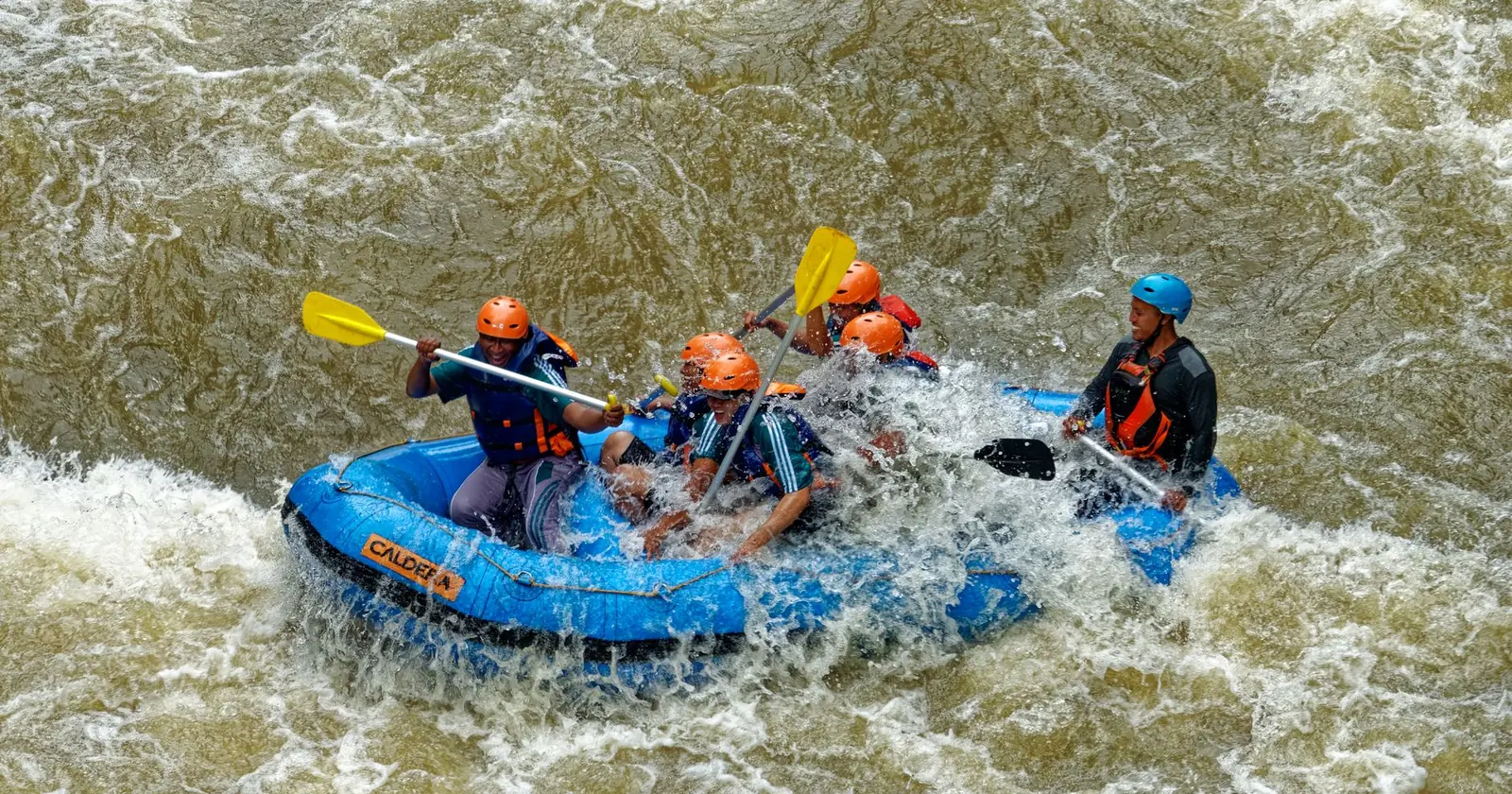
Photo: Tom Fisk / Pexels.
Key takeaways
- Warm summer whitewater roughly May to September, with the river warming into the mid-20s Celsius by June
- Big-volume Class III to IV rafting for beginners; world-class kayak schools for skill-building
- Base yourself around Beachburg and Foresters Falls in Ontario's Whitewater Region, or the Quebec side
- A trip destination, not a nomad base: come for a booked adventure, not a month of remote work
- Powerful water and swims are part of the game, so go guided and respect the safety brief
What the Ottawa River actually is for whitewater
The Ottawa is a huge, warm, forgiving volume river that punches well above its reputation. Around the Rocher Fendu section it braids into two channels: a wide main channel where the rafting outfitters run their trips, and a narrower, more technical middle channel that kayakers favour for its twists and play features.
This is genuinely world-class water. The river has hosted freestyle kayaking world championships, and named rapids like Bus Eater, Coliseum, Butcher's Knife and Hell's Half Mile draw expert paddlers from everywhere. The clever part is that those same rapids can be run safely by complete beginners when you go with a rafting company or a paddling school.
Difficulty and grades, plainly
Rapids are graded Class I (easy) to VI (effectively unrunnable). The Ottawa's headline rapids sit around Class III to IV depending on the channel and water level, with gentler Class II to III sections available for families and nervous first-timers.
As a rafting guest you do not need any experience: guides do the reading and calling, and you paddle on command. As a kayaker it is a different story, and Class III to IV whitewater is serious, so build skills progressively through a school rather than putting yourself on the main line too soon.
What Class III to IV actually says, and who it is about
“Class III to IV for beginners” sounds like a contradiction, and reading the scale itself explains why it is not.
American Whitewater publishes the International Scale of River Difficulty, and its 2024 edition sets out each grade in three parts. Class 3 is skill level Intermediate, a river environment of “moderate difficulty with large waves and features requiring skilled maneuvering”, and craft “suitable only for whitewater-specific craft and equipment”. Class 4 is skill level Advanced, “difficult with powerful rapids and hazardous features requiring precise maneuvering”, and “suitable for skilled groups with whitewater-specific craft and equipment”.
Notice what that skill column is describing: the person steering. In a guided raft the guide supplies it, which is why a total beginner can legitimately sit in a boat on Class IV water. The moment you swap the raft for your own kayak, the same rapid is asking for the skill level printed beside it, and that is the real gap between the two things this river is famous for.
The scale carries its own warnings, and two of them bear on the Ottawa specifically. It tells you to allow “an extra margin of safety between skills and river ratings when the water is cold, at higher flows, or if the river is remote and inaccessible”, the warm water here removes one of those three, and the spring melt puts the second one back. And it makes a distinction that guidebooks blur: “A Class IV rapid on a stretch of river is less consequential and demanding than dealing with an entire river run of this category.” A single named drop is not the same commitment as a day of them. The document ends by calling itself “a rough guide” and telling you to gather information from firsthand sources, which is the correct way to read any grade on any page, this one included.
On the credential side there is something a visitor can look up rather than take on trust. The Ottawa Kayak School at Wilderness Tours is listed in Paddle Canada's school directory, the national body's own register of paddling schools, so the school's standing is checkable in a directory rather than only on its own website.
The watersport up close: rafting versus learning to kayak
For rafting, you have two broad styles: big, splashy paddle-rafting through the wave trains, and, with some operators, more extreme options that deliberately flip and surf. Either way it is warm, friendly and hugely fun, and a solid choice if you just want one brilliant day on the water.
For kayaking, the Ottawa is arguably the best place in North America to start. Multi-day beginner-to-intermediate courses are the norm, teaching rolls, ferries and reading water in a supportive, high-volume playground. If your goal is to leave a better paddler rather than just a wetter tourist, this is the reason to come.
When to go and the seasonal trade-offs
The season runs roughly May to September. Spring brings the biggest, pushiest flows for experienced paddlers, while high summer (June to August) is the sweet spot for most visitors: warm air, warm water into the mid-20s Celsius, and the friendliest conditions for learning.
The downsides are real. It is weekend-and-holiday busy in peak summer, the water drops and mellows as the season goes on, and outside roughly May to September there is essentially no commercial whitewater at all. Book courses and popular rafting dates well ahead.
Getting there, staying and local flavour
Most trips launch from the Whitewater Region around Beachburg and Foresters Falls in Ontario, about one to two hours northwest of Ottawa, with more operators across the river on the Quebec side. You really need a car; this is rural cottage country, not a walkable town.
The classic way to do it is to stay on-site: the big outfitters run riverside resort-style bases with cabins, camping, meals and shuttles, so your rafting or kayak week is effectively an all-in package. Treat wifi and mobile signal as patchy rural coverage and do not plan on reliable remote working here.
Safety note: read this before you book
Whitewater is a real risk sport. Even warm, friendly rivers move enormous force, and swims, flips and holes are part of the experience, so always go with a reputable rafting company or certified paddling school, wear the buoyancy aid and helmet they issue, and listen to the safety brief and guide commands.
Never freelance the big lines as an inexperienced paddler, and be clear that water levels change what is runnable from week to week. Check your travel insurance actually covers whitewater rafting and kayaking, because plenty of standard policies exclude it, and do not get on the water impaired or beyond the grade you have been trained for.
FAQ: Ottawa River
Do I need any experience to raft the Ottawa River?
No. Guided rafting is designed for complete beginners: your guide reads the water and calls the strokes, and you can usually choose a gentler family-friendly section or a bigger Class III to IV run. You just need to be reasonably able to swim and comfortable getting tossed around in warm water.
Is the Ottawa really a good place to learn to kayak?
Yes, it is one of the best in the world for it. The warm, high-volume water and the network of established kayak schools mean you can go from never-paddled to confident on a structured multi-day course. Whitewater kayaking is still a committing sport, so expect to progress over a course rather than in an afternoon.
When is the best time to visit?
June to August is the sweet spot for most travelers: warm air, water into the mid-20s Celsius, and friendlier flows for learning. Spring (May) runs bigger and pushier for experienced paddlers, and things wind down through September. Outside roughly May to September there is no commercial whitewater season.
Can I use the Ottawa River as a digital-nomad base?
Not really, and we would not pretend otherwise. This is a rural, seasonal trip destination centred on outfitter resorts around Beachburg and Foresters Falls, with patchy rural connectivity and a summer-only whitewater window. Come for a booked adventure of a few days to a couple of weeks, not for a month of remote work.
How dangerous is it, really?
Whitewater is a genuine risk sport, and Class III to IV rapids carry real force even when the water is warm and the vibe is friendly. Going with a reputable operator, wearing the issued safety gear, following guide commands and checking that your insurance covers rafting and kayaking keeps the risk sensible. Swimming a rapid is a normal part of the day, but freelancing the big lines untrained is not.
Yannick Schroth
Founder of NOMADREEF and a former digital nomad. This guide is sourced from the references below; conditions, prices and rules change, so verify current details, and follow qualified local guidance and safety briefings. About the author · LinkedIn ↗
Sources
- What the grades mean, in the scale's own words. American Whitewater, International Scale of River Difficulty and Safety Code, 2024 edition: Class 3 is skill level “Intermediate”, “moderate difficulty with large waves and features requiring skilled maneuvering”, “suitable only for whitewater-specific craft and equipment”; Class 4 is skill level “Advanced”, “difficult with powerful rapids and hazardous features requiring precise maneuvering”. The same document warns to allow “an extra margin of safety between skills and river ratings when the water is cold, at higher flows, or if the river is remote and inaccessible”, notes that “A Class IV rapid on a stretch of river is less consequential and demanding than dealing with an entire river run of this category”, and calls itself “a rough guide”. americanwhitewater.org. Read 11 September 2026.
- The school, in a national directory. Paddle Canada lists the Ottawa Kayak School at Wilderness Tours among its paddling schools, which is a listing a reader can check independently of the operator's own site. paddlecanada.com. Read 11 September 2026.
- Regional and provincial tourism boards (Ottawa Tourism, Destination Ontario) for season, location and general operator landscape
- Established Ottawa River outfitters and paddling schools (Wilderness Tours / Ottawa Kayak School, OWL Rafting, Quebec-side operators) for trip styles and season dates
- Paddling-specialist publications for rapid names, grades and freestyle-kayaking history
- International Scale of River Difficulty (Class 1 to Class 5 in American Whitewater's 2024 edition) for the whitewater grading framework