Männiku Wakepark, Tallinn: 15 € a Ride, Three Graded Lanes
 by Yannick SchrothAug 28, 20265 min read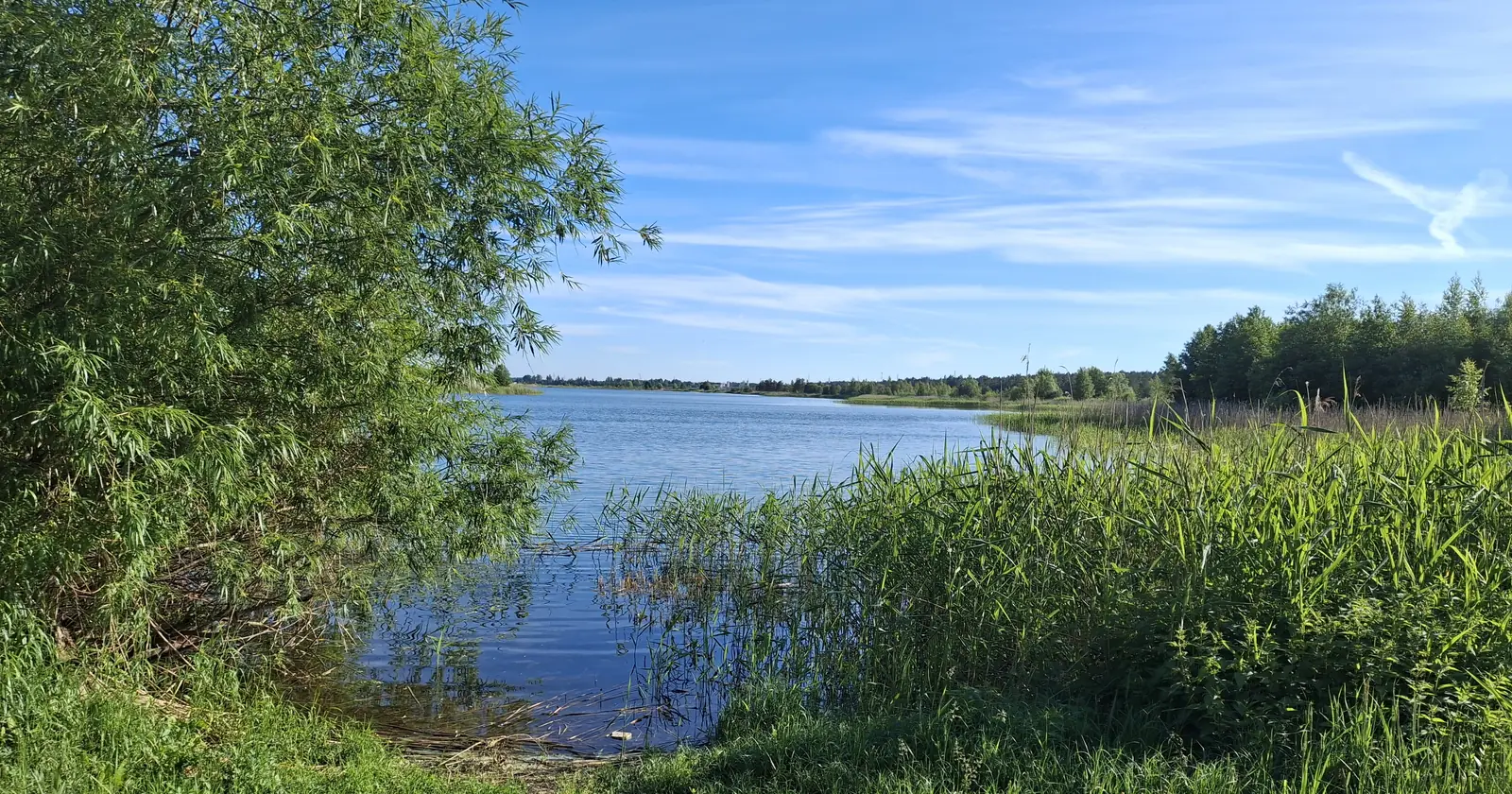
Photo: Avjoska, Wikimedia Commons, CC BY-SA 4.0. This is Männiku järv, one kilometre away; the cable is on Valdeku järv next door, which has no freely licensed photograph.

Key takeaways
- Three lanes, near enough the same length. 208 m for beginners, 200 m for learning tricks, 215 m for the PRO line. The difference is the obstacles, and all three cost the same.
- An instructor on every lane, in the price. A 2.0 cable is driven by a person, not run at a fixed speed: which is the single best argument for learning on one.
- 15 € a ride with gear, or 25 for a 20-minute beginner course. Thirty rides are 195 €, and they expire at the end of the season.
- The academy is full for 2026. Ten groups, seven coaches, up to 130 riders a season, and the park says so on its own page. There is a waiting list.
Three lanes, graded by what is bolted to them
Most parks that run more than one system grade them by length: a short line to learn on, a long one to progress to. Singapore goes 60, 130, 535 meters. Männiku does something different. Its three lanes are within fifteen meters of each other in length, and what separates them is the ironmongery in the water.
| Lane | Length | Position | What is on it |
|---|---|---|---|
| Balcia Beginners Line | 208 m | Centre | Fewer obstacles and more room for a first ride. The park notes the short line also suits experienced riders learning air tricks. |
| Vitamin Well | 200 m | Left | Krah incline, L kicker, WS Ollie, Rooftop, Flatbox XL, Spine kicker, Small pipe. |
| Red Bull (PRO) | 215 m | Right | UNIT 2.0 Transition rail, UNIT Bump, WakeStation L spine kicker, Kinked rail, Shitpipe 2.0, Funbox. |
All three cost the same. That is unusual and it is the right way round: you are not priced out of the beginner lane or charged extra for the hard one, so the only thing deciding which you ride is what you can do. If you do not know, the park says its instructors will pick for you.
How the cable lanes are run at Männiku
This is the clearest explanation of a 2.0 cable that any operator in this research has published, and it is worth reading before you book anywhere.
A full-size park, the Big Cable at Copenhagen, System C in Singapore: is a loop running at a set speed, carrying several riders at once. A 2.0 system is a straight line between two masts with a person operating it. That person, Männiku says, sets the speed to the individual rider, and when you fall they stop the cable immediately and bring the handle back to you.
The consequence is the thing beginners actually need: you are never dragged. The instructor is not an optional lesson bolted onto a session, they are how the machine works, and at Männiku that is in the price of every lane. Compare that with Singapore, where the dedicated instructor comes with System A only and System B is explicitly “riding tips” from the operator.
Prices at Männiku Wakepark, in full
Two ways to pay. Buy rides individually, or hire a whole lane.
| Rides | Price | With rental gear |
|---|---|---|
| Beginner mini-course, 5 + 15 minutes | 25 € | included |
| One ride | 15 € | included |
| Three rides | 35 € | 40 € |
| Ten rides | 85 € | 100 € |
| Thirty rides | 195 € | — |
| A lane to yourself | Price | With rental gear |
|---|---|---|
| 30 minutes | 35 € | 40 € |
| 1 hour | 70 € | 80 € |
Lane hire includes the instructor and needs at least a day’s notice; the park asks you to email for anything over two hours or across several lanes. Two conditions are worth reading before you buy a card: rides expire at the end of the season and do not carry into the next year, and they are personal to the cardholder: staff may stop a ride and void the card if that is broken.
At 15 € including equipment, a single ride here is the cheapest way onto a board of anywhere in this research. Wawa Wake in Warsaw is about 14 € for fifteen minutes but charges 30 zł more for the board; Cachin is 21 without a board, 25 with.
The Männiku academy, and who can join it
Männiku runs what it calls the Veelauaakadeemia, and the numbers are larger than the size of the place suggests: ten training groups, seven coaches, and up to 130 riders training regularly each season. Groups meet once or twice a week, either in the morning before work or in the evening.
And then the sentence that matters if you were planning to arrive and join one: “the 2026 season’s training groups are fully booked and the places are taken.” The park keeps a waiting list for replacement places and for the following season, at trennid@wakeintallinn.ee. Publishing that at all is more useful than a booking form that quietly fails.
What else is on the water
The site is a beach as much as a cable park, which changes what an afternoon here looks like if you are not riding the whole time.
- The sauna is free if you ride. Otherwise it is 7 € an hour, or 50 € to book it privately. For anyone who has ridden a Baltic lake in shoulder season, that is not a small detail.
- Funpark, the inflatable obstacle course, is 15 € for a 50-minute session starting on the hour. It grew by nine new elements this season. Age six and up, under-11s with an adult, and swimming is compulsory.
- SUP boards and water bikes at 8 € for half an hour or 15 for an hour, disc golf discs from 3 €, the lake is ringed by a course, and a beach chair for 5 € a day.
- Free: table tennis, a skate ramp, beach tennis, a balance board, a children’s play area and a set of mölkky.
- A beach café doing burgers, chips, smoothies and cocktails, and a bar.
Booking, and getting there
The park is at Trapi tee 2, Männiku, Saku vald, about twelve kilometres south of the middle of Tallinn, on Valdeku järv, which against OpenStreetMap rather than take on trust, and the lake at that position does carry that name. The summer season runs daily, 12:00 to 20:00.
Booking goes through an account on a third-party platform called Grabby, which carries the park’s shop and, built into it, the liability waiver containing the park rules. You have to accept that before you can put your name down at the counter, so read it there rather than in the queue.
FAQ: Männiku Wakepark, Tallinn
How much does it cost to ride at Männiku Wakepark?
A single ride is 15 euro with equipment included, and a 20-minute beginner mini-course is 25 euro. Multi-ride cards run from 35 euro for three to 195 euro for thirty. Hiring a whole lane, instructor included, is 35 euro for half an hour or 70 for an hour, plus 10 euro an hour for gear. Read from the operator's own price page on 28 August 2026.
Which of the three lanes should a beginner take?
The Balcia Beginners Line in the center, 208 meters, which carries fewer obstacles and leaves more room for a first ride. The Vitamin Well lane on the left is for polishing trick basics and the Red Bull lane on the right is the PRO line. All three cost the same.
Is there an instructor?
On every lane, in the price. That is how a 2.0 cable works: an operator drives it rather than a loop running at a fixed speed, sets the speed to the rider, and stops the cable and returns the handle when somebody falls. The park says this is what makes it safer than being towed by a boat.
Can I join the training groups?
Not for the 2026 season. The academy runs ten groups with seven coaches and up to 130 regular trainees, and the park states on its own training page that all groups for 2026 are full. It keeps a waiting list for replacement places and for the following season.
Sources
- Männiku Wakepark, the operator's own site: the three lanes and how a 2.0 cable works, the price list, the academy and the 2026 groups, Funpark and the café and contact details. All in Estonian, all read 2026-08-28.
- OpenStreetMap, for the lake: way/9199695, tagged
natural=waterand named Valdeku järv, 210 m from the park's marker: which confirms the operator's own claim about which lake it sits on. Read 2026-08-28.