Cold-Water Surfing in Lofoten, Norway: The Unstad Trip Guide
 by Yannick Schroth
Aug 1, 2026
8 min read
by Yannick Schroth
Aug 1, 2026
8 min read
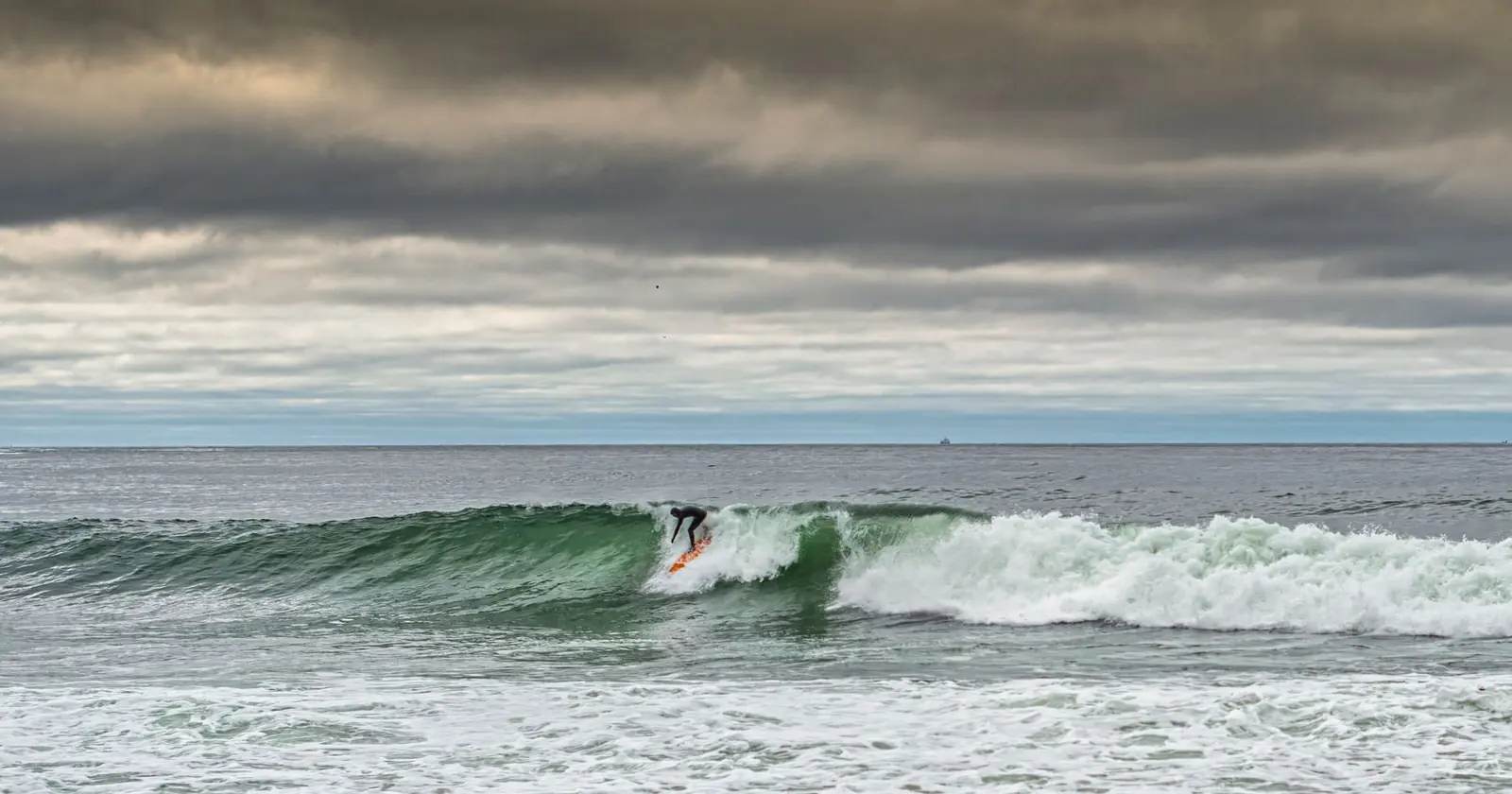
Photo: stein egil liland / Pexels.
Key takeaways
- Autumn to early spring (roughly September to April) brings the most consistent North Atlantic swell; late September to November balances good waves with more daylight.
- Water sits around 6 to 8 degrees C in autumn and drops toward 3 to 6 degrees C in winter, so a 5/4 or 6/5/4 hooded wetsuit plus boots and gloves is mandatory, not optional.
- There is no Norwegian digital-nomad or remote-work visa; the working route is the Schengen tourist stay (90 days in any 180 for visa-exempt nationals). EU/EEA citizens can stay and work freely.
- Getting there means flying to Leknes (LKN) or Svolvaer via Bodo, then renting a car; Unstad is at the end of a tunnel road and there is no practical public transport to the break.
- Norway is expensive and Lofoten more so; budget generously and book gear, lessons and accommodation ahead, especially in peak autumn and winter weeks.
When to go: season and swell
Lofoten is technically surfable year-round, but the waves that draw people this far north arrive with the North Atlantic storm season. From roughly September through April, low-pressure systems track across the Norwegian Sea and push groundswell onto the west-facing beaches. Summer is quieter and flatter, better for hiking and midnight-sun sightseeing than for surf.
The trade-off is swell versus survivability. Deep winter (December to February) delivers the biggest, most reliable waves and the most dramatic snow-on-the-beach scenery, but daylight shrinks to a few twilight hours around the winter solstice and conditions can be brutal. Late September through November is the sweet spot for many: solid swell, water that has not yet hit its coldest, and enough daylight for full sessions. March and April offer a lengthening day and leftover winter energy.
Check a marine forecast before committing to dates. As of 2026, verify current conditions on tools like Windy, Windguru or Magicseaweed/Surfline-style forecasts for the Unstad and Flakstad area, and watch wind direction: offshore easterlies clean up the west-coast breaks.
Conditions, grades and gear
Unstad bay is the main hub and offers two main options: a mellower beach break that works for beginners and improvers on smaller days, and a right-hand point that can turn powerful and more suited to confident intermediates when the swell is up. Nearby, Skagsanden and Flakstad are open beach breaks that are often friendlier for learning, while bigger swells at any of these can quickly move beyond beginner territory. Be honest with yourself about your level; cold, remote water is not the place to overreach.
Cold is the defining condition. Autumn water is around 6 to 8 degrees C and winter drops toward roughly 3 to 6 degrees C, with air temperatures frequently below freezing and occasional snow on the sand. You need a proper cold-water setup: a 5/4mm or 6/5/4mm hooded wetsuit, plus neoprene boots and gloves. Thin suits from warmer trips will not cut it, and hypothermia and cold-water shock are real risks.
If you do not want to travel with a full cold-water kit, local operators rent suitable wetsuits and boards, which is the simpler option for most visitors flying in.
Operators and safety
The best-known operator is Unstad Arctic Surf, based right at the bay (Unstadveien 105, 8363 Bostad; phone +47 97 06 12 01 as of 2026, verify). They run surf lessons, guided sessions, board and wetsuit rental, and all-inclusive surf-and-stay packages with accommodation and meals. Booking a guided session is the smartest way to handle an unfamiliar, cold and remote break, especially for first-timers to Arctic conditions.
Treat safety seriously. This is cold, exposed North Atlantic coastline with strong currents on bigger days, limited daylight in winter, and long distances to advanced medical care. Never surf alone, tell someone your plan, respect a local guide's call on whether to paddle out, and know the early signs of cold-water problems. Roads can be icy and dark in winter; drive conservatively.
Carry travel and health insurance that explicitly covers cold-water surfing and remote activity, and check that any medical evacuation is included given how far Lofoten is from major hospitals.
Getting to Cold-Water Surfing in Lofoten
Lofoten sits off the coast of northern Norway, well above the Arctic Circle at roughly 68 degrees N. The most common route is to fly into Norway (typically via Oslo or Bergen), connect to Bodo, then take a short flight to Leknes (LKN), which is the closest airport to Unstad at around a 30-minute drive. Svolvaer is the other Lofoten airport; Harstad/Narvik (Evenes, EVE) is a larger airport but a much longer drive of a few hours.
You can also reach the islands by the coastal ferry from Bodo to Moskenes, or by the Hurtigruten coastal route, which is scenic but slower. Once on Lofoten, a rental car is effectively essential: Unstad is reached by a road that passes through a tunnel, and there is no practical public transport to the break itself. Book vehicles early in peak season and choose winter tires for cold-month trips.
Give yourself buffer days. Weather can delay the small regional flights and ferries, and swell windows shift, so a rigid itinerary tends to fight the Arctic rather than work with it.
Connectivity and working remotely
Norway is one of the best-connected countries in the world, and mobile coverage across Lofoten's villages is generally strong on the main networks (Telenor and Telia). In the towns you can expect reliable 4G and often 5G. A local or regional eSIM makes staying online straightforward for most of a trip.
The caveat is that Unstad is a small, remote bay ringed by mountains, so signal there can be patchier than in the villages, and accommodation wifi varies. If you need dependable video calls, do not assume the break itself will deliver them; plan to work from a village base or confirm bandwidth with your host in advance.
Realistically, Lofoten suits a focused surf trip more than a long remote-work stint. Short daylight in winter, weather-driven plans and premium costs make it a place to come for the waves and scenery, log lighter work hours, and treat solid connectivity as a bonus rather than the foundation of a months-long base.
The visa reality and costs
Norway does not currently offer a digital-nomad or remote-work visa for the mainland. Its official immigration site (UDI) lists work-immigration routes that require you to secure a job first (skilled worker, seasonal worker, self-employed and similar), none of which fit a visitor who simply wants to surf while working online for a foreign employer. Do not plan around a nomad visa that does not exist here. (Svalbard has a separate visa-free status, but that is a different Arctic archipelago, not Lofoten, and not a surf destination.)
The working route for almost everyone is the standard Schengen tourist stay. Norway is in the Schengen Area, so visa-exempt nationals (for example US, UK, Canadian and Australian passport holders, as of 2026, verify against your own nationality) can generally stay up to 90 days within any 180-day period without a visa; other nationalities apply for a Schengen visitor visa. EU/EEA citizens can enter, stay and work without these limits. This 90/180 tourist window comfortably covers a surf trip but is not a long-term residency solution, and it does not grant the right to work locally in Norway.
On cost, Norway is expensive and Lofoten is not cheap; as of 2026, verify current figures directly. Expect premium prices for accommodation, meals out and car rental, and budget separately for surf lessons and gear rental, which local operators price per session or as multi-day and all-inclusive packages. Self-catering from supermarkets, sharing a rental car, and traveling in shoulder weeks all help control the bill.
The 90 days are not the 90 days you think
Norway is in the Schengen area, so a surf season here is spent on the same allowance as everywhere else in it, and the rule is more restrictive than the phrase “ninety days” suggests.
The European Commission states it as a “maximum of 90 days within any 180-day period”, and then gives the arithmetic that catches people: “You must count back 180 days from each day of your stay and ensure the total number does not exceed 90.” It is a rolling window, recalculated every single day, and the allowance is shared across the whole area rather than held per country. Leaving and coming back does not reset it; days drop out of the back of the window one at a time.
For this trip that is not academic. The Lofoten season runs through autumn and winter, which is also when a lot of surfers have just spent weeks in Portugal, Spain or France on the same clock. Add a Portuguese autumn to a Norwegian winter and the sum can exceed 90 without either trip looking long. The Commission publishes a short-stay calculator for exactly this: it will both check a past stay and tell you the longest stay allowed from a future date. Run your dates through it before you book a month in a cabin at Unstad.
FAQ: Lofoten
Is there a digital-nomad visa for Norway or Lofoten?
No. As of 2026 Norway has no mainland digital-nomad or remote-work visa, and its official immigration routes require a Norwegian job offer. Most visitors surf Lofoten on a standard Schengen tourist stay: visa-exempt nationals can generally stay up to 90 days in any 180-day period, while others apply for a Schengen visitor visa. EU/EEA citizens can stay and work without those limits. Always verify the rules for your own passport before booking.
What is the best time of year to surf Lofoten?
Autumn through early spring, roughly September to April, when North Atlantic low-pressure systems generate the most consistent swell. Deep winter has the biggest, most reliable waves and the most striking snow scenery but very short daylight and harsh cold. Late September to November is a popular sweet spot with good swell, slightly warmer water and more usable daylight.
How cold is the water and what wetsuit do I need?
Water is roughly 6 to 8 degrees C in autumn and can fall toward 3 to 6 degrees C in winter, with air often below freezing. You need a proper cold-water setup: a 5/4mm or 6/5/4mm hooded wetsuit plus neoprene boots and gloves. Thinner warm-water suits are not adequate, and cold-water shock and hypothermia are genuine risks.
Can beginners surf in Lofoten?
Yes, with the right approach. Unstad's beach break and nearby beaches like Skagsanden and Flakstad can suit beginners on smaller days, and local operators such as Unstad Arctic Surf run lessons and rent gear. But the cold, currents and remoteness raise the stakes, so beginners should book a guided lesson, never surf alone, and respect a guide's call on conditions rather than learning solo.
How do I get to Unstad and how much should I budget?
Fly into Norway, connect via Bodo to Leknes (LKN, about 30 minutes from Unstad) or Svolvaer, then rent a car, which is essentially required to reach the break. Norway is expensive and Lofoten more so, so budget generously for accommodation, meals, car rental, lessons and gear. Treat any specific prices as changeable and verify current 2026 figures directly with operators and providers.
Yannick Schroth
Founder of NOMADREEF and a former digital nomad. This guide is sourced from the references below; conditions, prices and rules change, so verify current details, and follow qualified local guidance and safety briefings. About the author · LinkedIn ↗
Sources
- The Schengen short-stay rule, from the Commission. European Commission, Migration and Home Affairs, short-stay calculator: visitors are “usually allowed to stay for a maximum of 90 days within any 180-day period”, and “You must count back 180 days from each day of your stay and ensure the total number does not exceed 90.” The calculator has a check mode for past or ongoing stays and a planning mode for a future one. home-affairs.ec.europa.eu. Read 11 September 2026.
- The Unstad operator's own site, for the location, the bay and what is run there. unstadarcticsurf.com. Read 11 September 2026. A first-party source about its own operation, not an independent check on it.
- Official immigration site of Norway (UDI, work and visitor pages)
- Schengen Area 90/180 short-stay visa rules
- Unstad Arctic Surf operator site (location and contact)
- Norwegian mobile coverage (Telenor/Telia network reach)
- Marine forecast tools (Windy/Windguru) for Lofoten swell seasonality