Rishikesh: Whitewater Rafting and Living the Nomad Life on the Ganges
 by Yannick Schroth
Jul 31, 2026
7 min read
by Yannick Schroth
Jul 31, 2026
7 min read
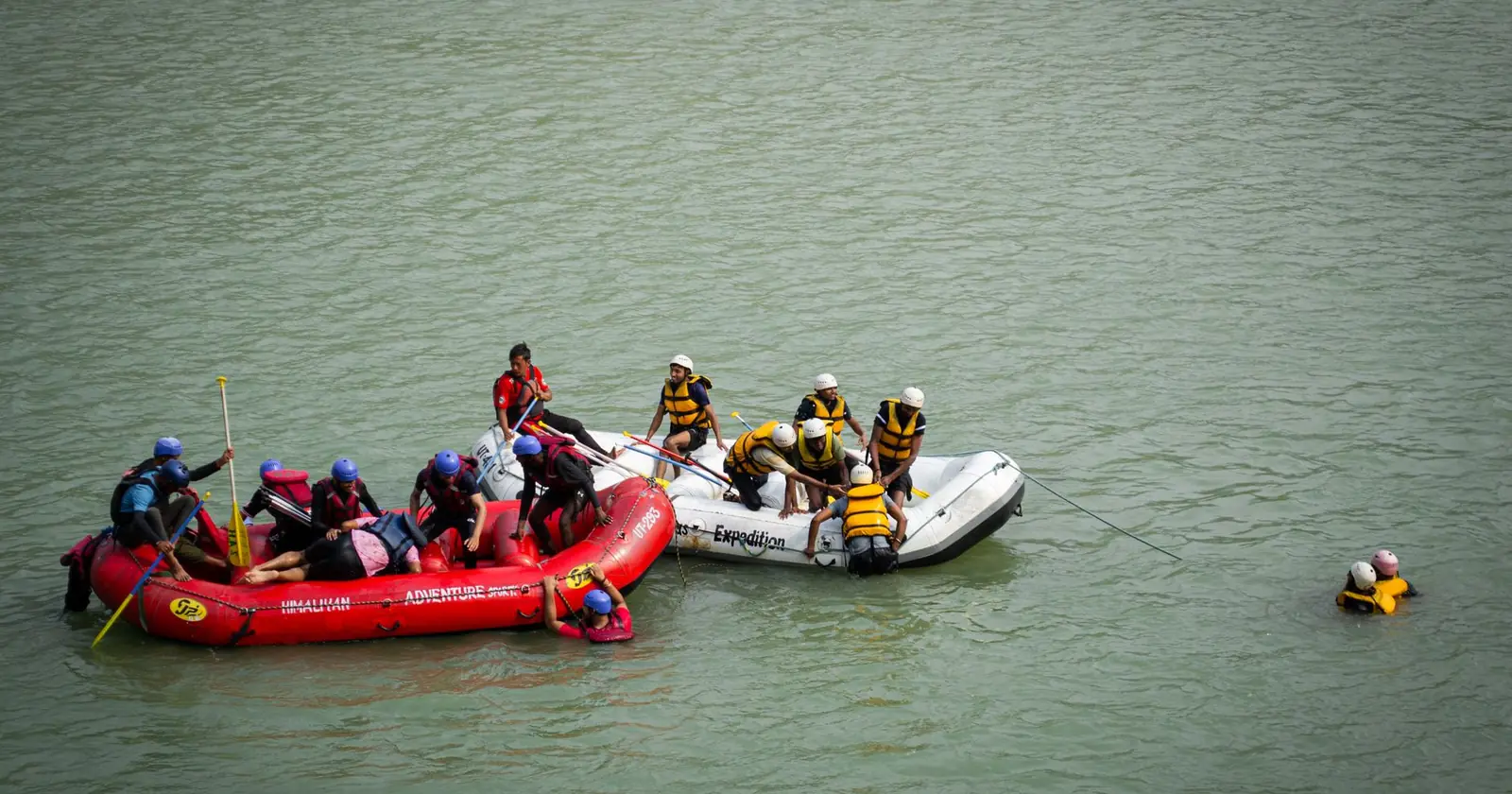
Photo: Lisa and everlast jorney / Pexels.
Figures are indicative and "as of 2026"; verify prices, seasons and visa rules before you rely on them.
Key takeaways
- Ganges rafting runs roughly late September to June; the river closes completely through the monsoon, so time your stay around it
- Commercial rapids top out around grade III to IV (Roller Coaster, Golf Course and others) across a 36km stretch, cold snowmelt water and all
- Very cheap base: budget on roughly US$800 to US$1,100 a month as a nomad, with rooms from about US$150 to US$400, verify current rates
- Most visitors use India's online e-Tourist Visa plus an e-Arrival Card filed before landing; check your nationality's eligibility
- Real downsides: unreliable wifi and power cuts, weekend crowds, no alcohol or meat, and flash-flood risk in the shoulder months
The rafting itself: cold Ganges water and grade III to IV rapids
The classic run is the Ganges between Kaudiyala and Rishikesh, roughly a 36km stretch with more than a dozen named rapids. Operators sell it in bite-sized sections, so beginners can do a short 9km or 16km trip on gentler water, while stronger paddlers book the longer 26km or 36km runs that string together the bigger rapids like Roller Coaster and Golf Course.
Commercial rafting here is generally capped at around grade III to IV, which is punchy and fun without being expedition-grade. The water is Himalayan snowmelt, so it stays genuinely cold even when the air is warm, and the rapids are wave-and-hole features rather than technical rock gardens. Expect to get thrown around and to actually paddle as a team; a lazy crew gets flipped.
Trips are walk-up cheap and abundant, with dozens of operators along the Tapovan and Laxman Jhula strips. Prices are low enough that you can raft repeatedly through a long stay, which is part of what makes Rishikesh such a good rafting base rather than a one-off tick.
When to go: season, monsoon closure and the crowd calendar
The rafting season runs roughly from late September to June, and this matters more than anything else in your planning. Through the peak monsoon (broadly July and August), rafting is officially suspended for safety, the river runs high and silty, and you simply cannot paddle. As of 2026 the best windows are September to November and February to June; verify the current dates locally before you commit, as authorities adjust them year to year with river levels.
Winter (December to February) is raftable but cold, with chilly water and brisk mornings. The shoulder months bring the cleanest combination of decent flow and settled weather.
Be honest with yourself about crowds. Rishikesh is a major domestic tourist and pilgrimage town, so weekends, Indian public holidays and the yoga high season pack out the cafes, ghats and rafting put-ins. Midweek in the shoulder season is far calmer.
The nomad reality: wifi, cost of living, visa and the vibe
As a base, Rishikesh is cheap and easy. A rough nomad budget lands somewhere around US$800 to US$1,100 a month, with long-stay guesthouse or apartment rooms from about US$150 to US$400 and simple thali meals often under US$5. Treat all of these as ballpark figures as of 2026 and verify before you rely on them, since rates move with season and demand.
Connectivity is the weak spot. There are coworking desks and nomad-friendly hostels, but reported speeds swing widely and power cuts happen, so buy a local eSIM or SIM as a backup and do not schedule mission-critical client calls without a plan B. If your work needs rock-solid upload speeds, Rishikesh will frustrate you.
Most travellers enter on India's fully online e-Tourist Visa, offered as 30-day, one-year and five-year options for citizens of many countries; you will also need to file an e-Arrival Card online before you land, and your passport must have at least six months' validity and two blank pages. The e-Tourist Visa is non-extendable, so plan your exit. Check your own nationality's eligibility and the current rules on the official Indian government e-visa portal, not a third-party reseller. The vibe is yoga, cafes, riverside aarti and early nights; it is a dry, vegetarian town by tradition, so come for wellness and rafting, not for a party scene.
Safety note: cold water, flash floods and choosing an operator
Whitewater is a real-risk sport and the Ganges here is no exception. The water is cold snowmelt, so cold-water shock and fast fatigue are genuine hazards; always wear the provided helmet and buoyancy aid, keep them done up, and learn the guide's commands for what to do if you fall out (feet up and downstream, hold your paddle, swim to the raft when told).
The bigger danger is timing. Flash floods and sudden level rises are a serious risk in the shoulder and monsoon periods, which is exactly why rafting is suspended in high water; never try to raft, or wild-camp on a low river beach, when the water is up or rain is forecast upstream.
Pick a licensed, established operator rather than the cheapest tout, confirm they provide throw lines and a safety kayaker on the bigger sections, and be truthful about your swimming ability. Non-swimmers and anyone with heart, back or pregnancy concerns should stick to the gentler lower grades or sit it out.
Getting there and getting around
The nearest airport is Jolly Grant (Dehradun, code DED), around 20km away, with regular flights from Delhi and other Indian cities. Many travellers instead take a train to Haridwar or the Rishikesh/Yog Nagari station and finish by taxi or auto-rickshaw, or come overland from Delhi by road in roughly six to seven hours.
Once you are in town, the action splits between the older Ram Jhula and Laxman Jhula area and the Tapovan district on the west bank, all walkable or a short rickshaw hop. Rafting put-ins are strung along the highway upriver towards Shivpuri and Kaudiyala, and every operator runs shuttles, so you rarely need your own transport.
FAQ: Rishikesh
Is Rishikesh rafting suitable for complete beginners?
Yes. The short 9km and 16km sections are gentle enough for first-timers and are how most people start, with a guide steering and commanding the boat. Save the longer 26km and 36km runs, which link the bigger grade III to IV rapids, for once you are comfortable and can swim.
Can I raft in Rishikesh during the monsoon (July to August)?
No. Rafting is officially suspended through the peak monsoon because the river runs dangerously high and fast. The season is roughly late September to June; if you are coming specifically to paddle, avoid July and August entirely and verify the current opening dates locally.
How reliable is the internet for remote work?
Patchy is the honest answer. There are coworking desks and nomad hostels, but reported speeds vary a lot and power cuts occur. Get a local eSIM or SIM as a hotspot backup, and do not build your week around flawless video calls; if you need guaranteed high upload speeds, Rishikesh is a risk.
What visa do I need and can I stay for weeks?
Most travellers use India's online e-Tourist Visa, which as of 2026 comes in 30-day, one-year and five-year versions for many nationalities, plus an e-Arrival Card filed before landing. A month or more is fine within the visa's stay limit, but it is non-extendable, so plan your departure. Confirm eligibility and rules on the official Indian government portal.
Is there any nightlife or can I drink after a day on the river?
Not really. Rishikesh is a traditional holy town that is vegetarian and officially alcohol-free, and it winds down early around the evening river aarti. Come for yoga, cafes and paddling; if a bar scene matters to you, this is the wrong base.
Yannick Schroth
Founder of NOMADREEF and a whitewater paddler who has run rivers in India. This guide combines that background with cited sources; conditions, prices and rules change, so verify current details, and follow qualified local guidance and safety briefings. About the author · LinkedIn ↗
Sources
- Indian government official e-visa portal (indianvisaonline.gov.in) for e-Tourist Visa types, validity and e-Arrival Card requirement
- Uttarakhand and Rishikesh rafting operator and tourism pages for rapid grades, named rapids and the Kaudiyala to Rishikesh route
- Regional reporting and operator advisories on the monsoon rafting suspension and seasonal dates
- Digital-nomad cost and connectivity aggregators (e.g. nomads.com) for ballpark monthly costs, rooms and internet speeds
- Airport and transport listings for Jolly Grant (Dehradun) access and overland routes from Delhi