How to Start Open Water Swimming
 by Yannick Schroth
Jul 29, 2026
8 min read
by Yannick Schroth
Jul 29, 2026
8 min read

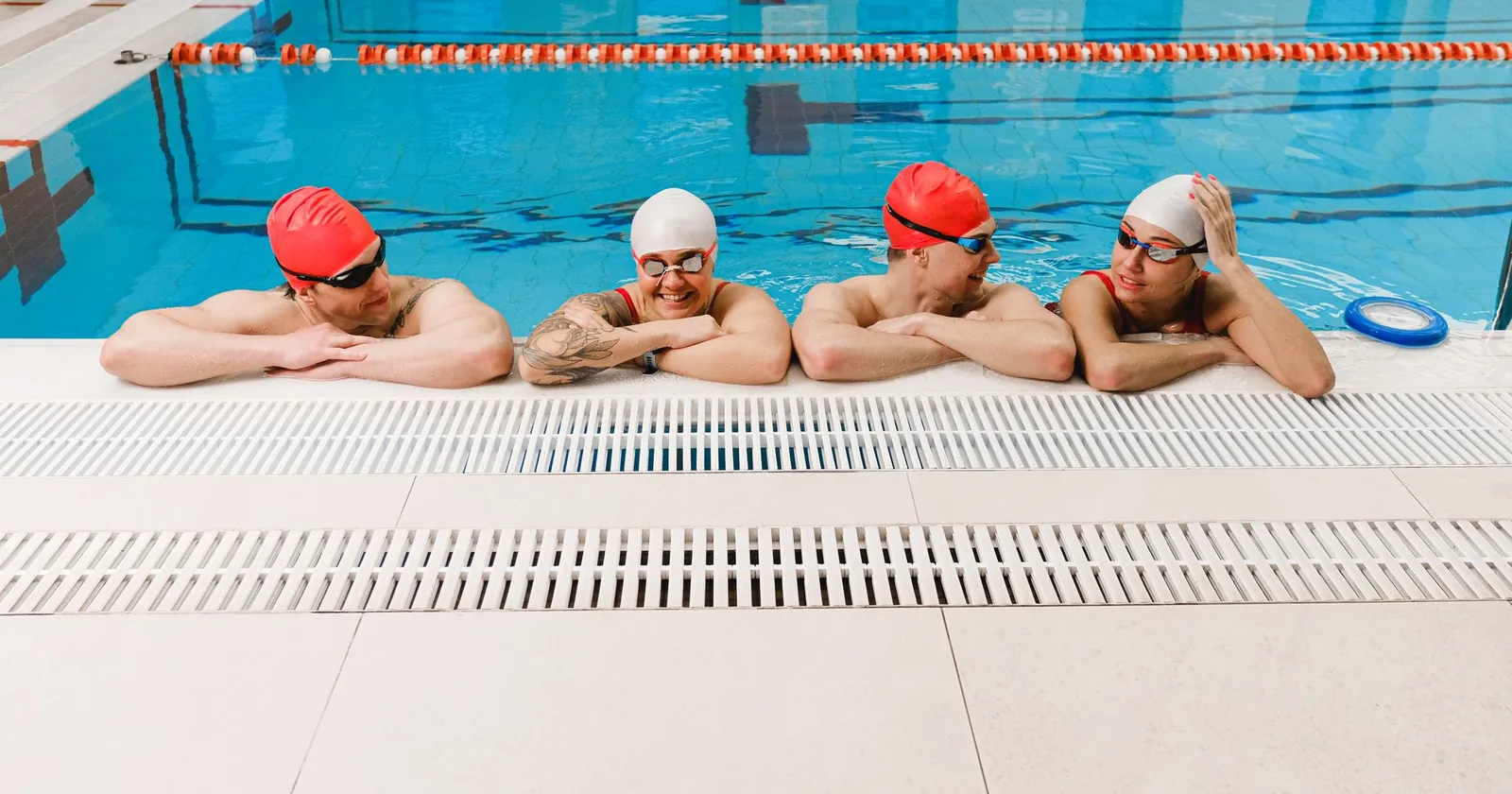
Photo: Jay Moon via Pexels (free licence).
This is general safety information, not a substitute for coaching or a supervised swim.
Key takeaways
- Cold water shock is the big risk: never jump into cold water (below ~15°C).
- Enter slowly and acclimatise; control your breathing before you swim.
- Float to Live: lean back and float until the shock passes, then act.
- Never swim alone; be visible with a bright cap and a tow float.
- Know the water: currents, tides, boats, quality, and a safe exit.
First, respect the cold
The most important thing a new open water swimmer can know is cold water shock. Sudden immersion in cold water (generally below about 15°C / 59°F) triggers an involuntary gasp and rapid, uncontrollable breathing, plus a spike in heart rate. The physiology review by Tipton and colleagues treats cold water immersion as "a precursor to drowning, cardiac arrest and hypothermia", which is the accurate way to put it: the cold does not usually kill you directly, it takes away the breathing control you need in order not to inhale water. It can affect strong pool swimmers who are used to warm water. The defence is simple: never jump or dive straight into cold water.
The safe beginner progression
Step 1: Enter slowly and acclimatise
Get in gradually, splash water on your face and neck, and let your breathing settle before you start swimming. Keep early sessions short and build your cold tolerance over several sessions, not one long one.
Step 2: Learn Float to Live
If you ever get into difficulty, the advice is Float to Live: lean back, extend your arms and legs, and float until the effects of cold water shock pass and you can control your breathing, then call for help or swim to safety. Practise floating calmly so it feels familiar.
Step 3: Never swim alone, and be visible
Always swim with a group, a coached session or at a supervised area, and tell someone your plan. Wear a brightly-coloured cap and tow a tow float so boats and others can see you. The tow float aids visibility and gives you something to rest on, but it is not a lifejacket.
Step 4: Know the water and your exit
Check currents, tides, boat traffic and water quality (avoid water with visible algal blooms or pollution), pick a spot with a safe, easy exit, and know where you will get out. Conditions in open water change, so assess every swim.
Step 5: Warm up properly afterwards
You keep cooling after you leave the water (the afterdrop), so get dry and dressed quickly, add layers and a warm drink, and warm up gradually. Avoid a very hot shower straight away, which can worsen the afterdrop.
Why the hot shower is the wrong instinct, in the words of the position statement. The National Athletic Trainers' Association describes the afterdrop as the core temperature actually decreasing during rewarming, driven by "dilation of peripheral vessels in the arms and legs when warmed. This dilation sends cold blood, often with a high level of acidity and metabolic byproducts, from the periphery to the core. This blood cools the core, leading to a drop in core temperature, and may result in cardiac arrhythmias and death." Its instruction follows from the mechanism: "apply heat only to the trunk and other areas of heat transfer, including the axilla, chest wall, and groin", not to the arms and legs. The clinical reference literature says the same thing about warm-water immersion of the extremities, that it "may be undertaken with great care" because rewarming can "precipitate increases CV load and collapse". A hot shower on cold arms and legs is exactly the manoeuvre both documents warn about. Layers, a warm drink and patience are the boring, correct answer. Checked 12 August 2026.
What gear do you need?
Very little to start: a swimsuit, goggles, a bright cap and a tow float, plus a wetsuit and neoprene extras in cooler water. See our open water swimming gear guide for the details, and a travel wetsuit for warmth.
Cold water shock and Float to Live, in the RNLI's own words
Both pieces of advice here come from the RNLI, which runs the Float to Live campaign, and both are more specific than the versions that circulate second-hand.
On the threshold: the RNLI puts cold water shock at "anything below 15°C", and describes the effect as losing control of your breathing and movement, with heart rate and blood pressure rising quickly, which can lead to cardiac arrest. Note that plenty of summer sea temperatures in northern Europe sit below that line.
On what to do, the float position is specific and the detail people get wrong is the head: "tilt your head back with your ears submerged". Then relax and breathe normally, gently move your hands and legs if you need to, and spread your arms and legs to improve stability. The RNLI adds the reassurance that matters when you are panicking: "it's OK if your legs sink, we all float differently".
And on timing, which is the part that turns theory into survival: "Take a minute. The initial effects of cold water pass in less than a minute so don't try to swim straight away." Once your breathing is under control, call for help or swim to safety. The instinct to swim immediately is the one the campaign exists to override.
Quoted from RNLI, checked 8 August 2026. General water-safety information, not a substitute for a lesson, a lifeguard or local knowledge.
FAQ: starting open water swimming
What is cold water shock?
Cold water shock is the body's involuntary response to sudden immersion in cold water, generally water below about 15 Celsius. It causes an automatic gasp for breath and rapid, uncontrollable breathing, along with a spike in heart rate and blood pressure. It can lead to inhaling water, which is why the physiology literature describes cold water immersion as a precursor to drowning, cardiac arrest and hypothermia. The defences are to never jump straight into cold water, to enter slowly and acclimatise, and to know the Float to Live response if you get into trouble.
Do I need a wetsuit for open water swimming?
A wetsuit is not always required but it helps a lot in cooler water: it adds warmth and buoyancy, which is reassuring for beginners. In warm water many people swim in just a costume (sometimes called skins), while in cold water a wetsuit, and often neoprene gloves, booties and a cap, make swimming safer and more comfortable. Your choice depends on the water temperature and your experience, and warmth is a safety issue, not just comfort.
Is it safe to swim in open water alone?
No, you should never swim in open water alone. Swim with a group, a coached session, or at a supervised, lifeguarded area, and tell someone your plan. Open water has currents, tides, boat traffic, changing temperatures and no pool edge to grab, so having others present is a basic safety rule. Being visible with a bright cap and a tow float, and knowing your exit, are part of the same principle.
What is a tow float and do I need one?
A tow float is a brightly-coloured inflatable buoy that trails behind you on a waist leash. Its main jobs are to make you highly visible to boats and other water users and to give you something to hold and rest on if you need a break. It is strongly recommended for open water swimming, but it is not a lifejacket and will not keep an unconscious swimmer's airway clear, so it complements, rather than replaces, swimming within your limits and with others.
How do I acclimatise to cold water?
Acclimatise gradually over several sessions rather than all at once. Enter the water slowly instead of jumping, let your breathing settle before swimming, keep early sessions short, and build up your time and cold tolerance week by week. Splashing your face and neck on entry helps. Cold and winter swimming take real experience and should be built up carefully, ideally with an experienced group, never rushed. This is general information, not a substitute for coaching.
Yannick Schroth
Founder of NOMADREEF and a former digital nomad. This guide covers open water swimming safety basics; it is not a substitute for qualified coaching or a supervised swim. Cold water is genuinely dangerous, so build up slowly and swim with others. About the author · LinkedIn ↗
Sources
- RNLI, Float to Live and cold water safety. Cold water shock at "anything below 15°C"; the float position ("tilt your head back with your ears submerged", relax, breathe normally, spread arms and legs, "it's OK if your legs sink"); and "Take a minute. The initial effects of cold water pass in less than a minute so don't try to swim straight away." RNLI, checked 8 August 2026.
- Tipton MJ, Collier N, Massey H, Corbett J, Harper M, "Cold water immersion: kill or cure?", Experimental Physiology 102(11):1335-1355, 2017. The review examines cold water immersion as "a precursor to drowning, cardiac arrest and hypothermia". PubMed 28833689, checked 12 August 2026. Corrected 12 August 2026: an earlier version of this page called cold water shock "a leading cause of drowning in open water", a ranking we had no source for. The mechanism is what matters and is documented: the cold removes your control of breathing, and drowning follows from that.
- National Athletic Trainers' Association, position statement on environmental cold injuries. The afterdrop defined as the core temperature decreasing during rewarming, caused by "dilation of peripheral vessels in the arms and legs when warmed. This dilation sends cold blood, often with a high level of acidity and metabolic byproducts, from the periphery to the core. This blood cools the core, leading to a drop in core temperature, and may result in cardiac arrhythmias and death." Its instruction is to "apply heat only to the trunk and other areas of heat transfer, including the axilla, chest wall, and groin". NATA position statement, checked 12 August 2026. Supported by StatPearls, Hypothermia, which warns that rewarming the extremities in warm water "may precipitate increases CV load and collapse", NCBI Bookshelf, checked 12 August 2026. Neither document discusses hot showers by name; both describe precisely the mechanism a hot shower triggers.
- Note on the RNLI links, 12 August 2026. The quotes above were read at the source on 8 August 2026. On 12 August rnli.org returned HTTP 403 to our automated re-check, which is bot protection rather than a dead page (see our link-rot rule). The quotes stand as checked on the earlier date and should be re-read by hand before the next refresh.
- General water-safety information only. It is not a substitute for a coached session, a lifeguarded venue or local knowledge of tides and currents.