How to Find Accommodation as a Digital Nomad
 by Yannick Schroth
Jul 29, 2026
10 min read
by Yannick Schroth
Jul 29, 2026
10 min read
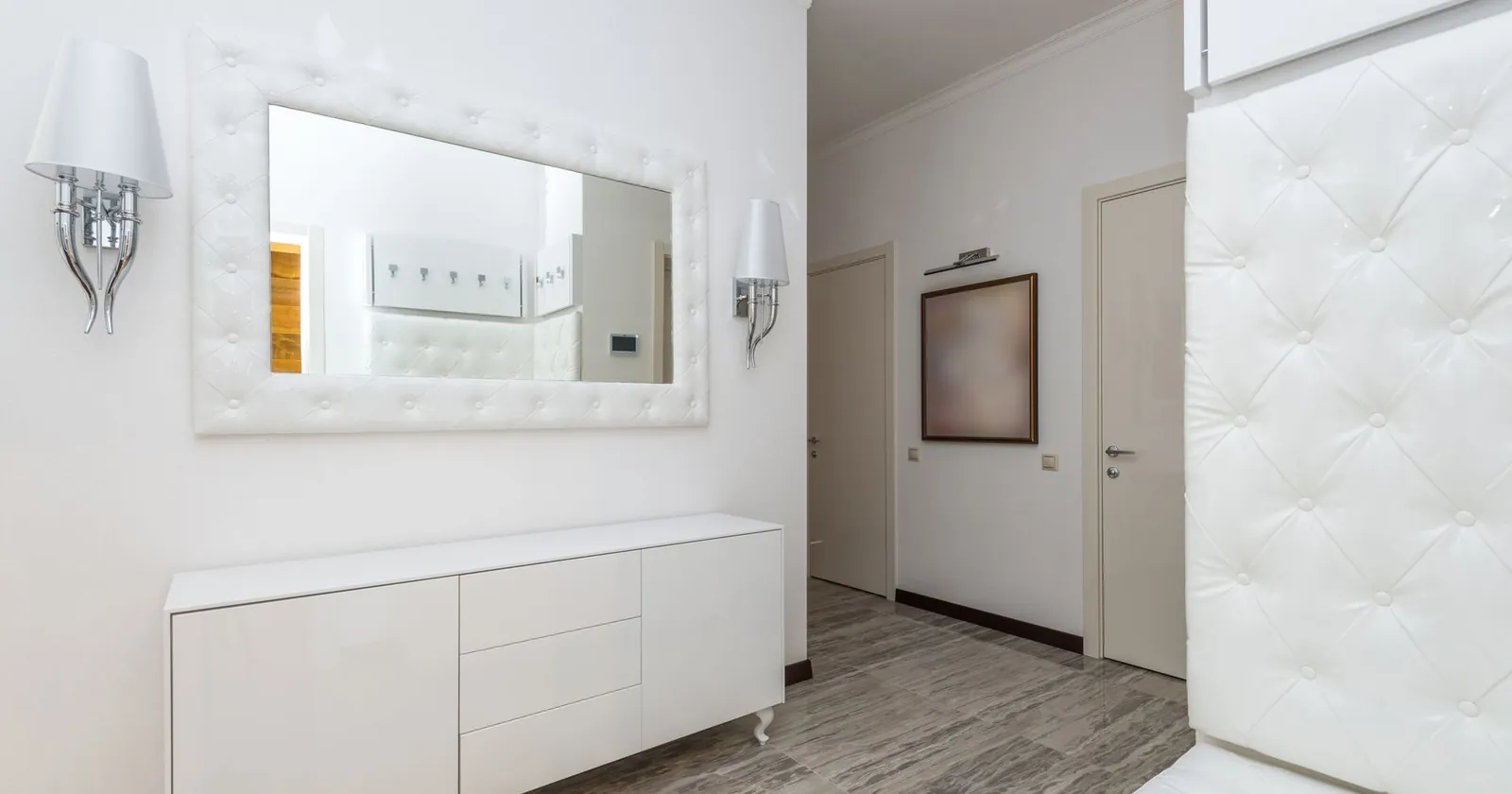
Photo: Max Vakhtbovych via Pexels (free license).
Prices and availability vary; verify current details and view a place before paying for a month.
Key takeaways
- Book short first, long second: a few nights online, then monthly locally.
- Monthly deals are usually cheaper on the ground than booked in advance.
- Wifi is non-negotiable: ask for a speed test before you commit.
- Check location, noise, light and a real workspace, not just photos.
- Avoid off-platform deposits for places you haven't verified.
The winning strategy: short then long
The single best habit is to not book a month in advance. Instead, book a few nights somewhere decent online, arrive, and then find your longer-term place in person. This lets you check the neighbourhood, the noise, the wifi and the vibe before you commit real money, and local monthly rates (negotiated directly, or found through community groups and agencies) are usually cheaper than booking a month online sight-unseen. A little friction on arrival saves money and a lot of regret.
Where to look for a nomad rental, platform by platform
- Booking platforms (first stays): Booking.com (affiliate) and Airbnb (affiliate) are ideal for your first few nights, with reviews and buyer protection. Airbnb monthly discounts can be worth it if you want everything sorted before you land.
- Local Facebook groups: almost every nomad hub has "expats/nomads in [place]" and "rooms/rentals in [place]" groups, often the best source of monthly places and sublets.
- Nomad communities: ask in local coworking spaces, dive shops or nomad Slack/Discord/WhatsApp groups, word of mouth finds the places that never get listed.
- Walk-ins and local agencies: in many countries, walking around a neighbourhood you like and asking, or using a local rental agent, opens cheaper long-term options.
What to check before you commit
For a remote-work base, some things matter far more than the photos:
- Wifi (critical): ask for a recent speed test screenshot, and whether there is backup power where outages are common. Don't take "fast wifi" on trust, see our reliable internet guide.
- Location: near what you actually need (the water, a coworking, food), and not on a noisy main road or party strip if you value sleep.
- Noise and light: ask about construction, roosters, bars, and whether the room gets natural light.
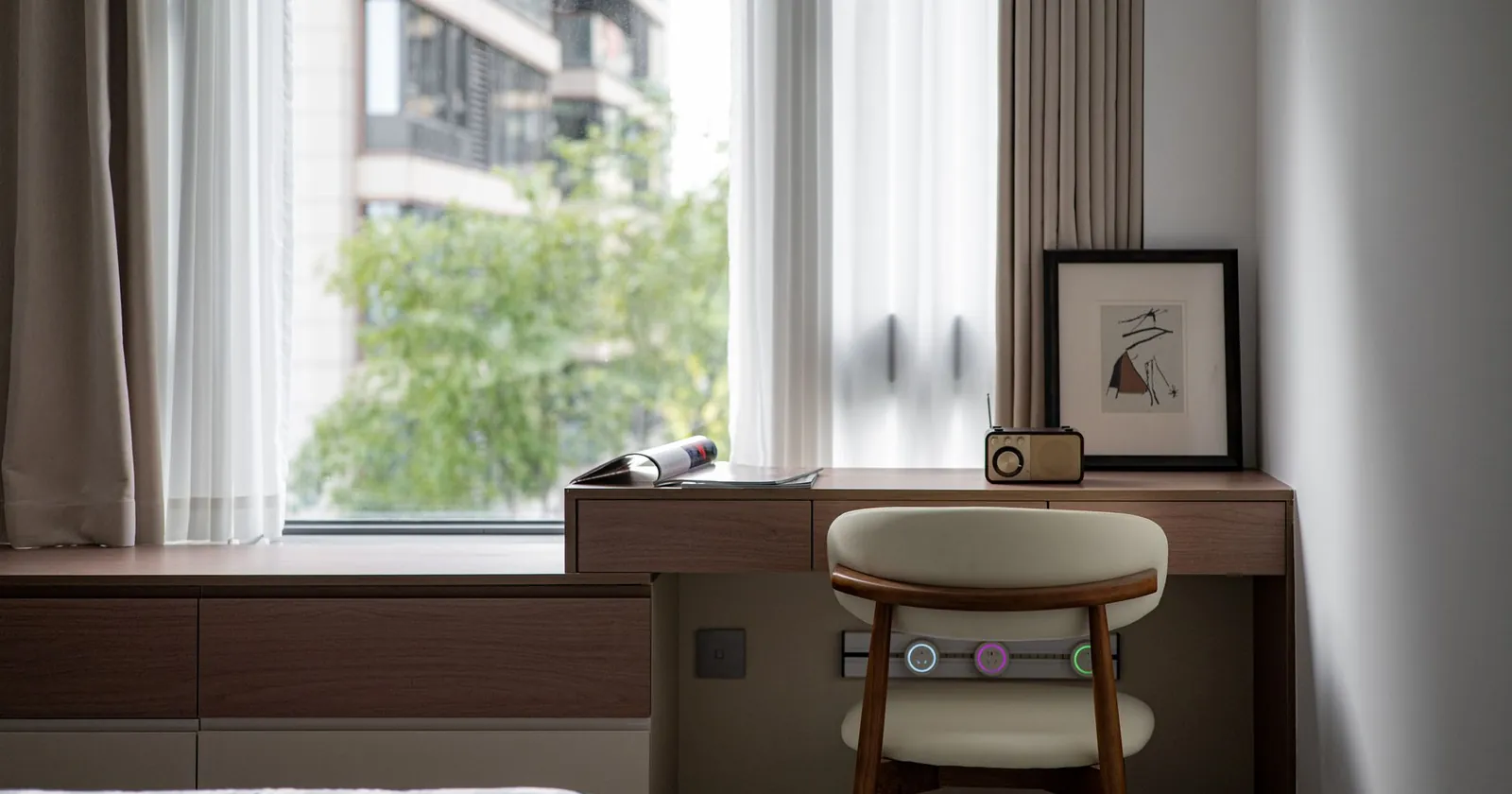
- A real workspace: a desk and a decent chair, you will spend hours there.
- Basics: kitchen, air conditioning or heating, reliable water, and safety of the area and building.
If you cannot view it in person, insist on a video call walkthrough before paying for a month.
Negotiating a monthly rate
Monthly discounts are often there for the asking. Once you have seen a place and like it, ask directly for a monthly price, mention you will stay several weeks or months, and be ready to pay a fair deposit. Longer stays, low season and paying a chunk up front all improve your leverage. It is normal, and expected, to negotiate in many nomad destinations.
Avoiding scams
For a watersports nomad
If your days revolve around diving, surfing or kiting, basing near your spot (or a dive shop or launch) saves daily travel and lets you catch the best early conditions. The trade-off: beachfront can be pricier, noisier and weaker on wifi. A common sweet spot is a quiet, well-connected place a short scooter ride from the water rather than on the busy strip. Our destination guides flag where the good areas and wifi are.
FAQ: finding nomad accommodation
How do digital nomads find accommodation?
Most use a mix: booking platforms like Booking.com and Airbnb for the first few nights, then finding longer-term places on the ground, through local Facebook groups, nomad communities, walk-ins and local agencies, which are usually cheaper than booking a month online sight-unseen. The winning strategy is to book a short stay first, see the area in person, then commit to a monthly rental once you know it is right.
Is it cheaper to book monthly accommodation in advance or on arrival?
Usually on arrival. Booking a whole month online in advance is convenient but often the most expensive option, and you risk committing to a bad location or a noisy room sight-unseen. Booking a few nights first and then negotiating a monthly rate locally (or via local Facebook groups and agencies) is typically cheaper and lower-risk. Many places offer significant monthly discounts you only get by asking directly.
What should I check before booking a long-term nomad rental?
For remote work, wifi is critical, ask for a recent speed test screenshot and whether there is backup power in outage-prone areas. Also check the location (near what you need, not on a noisy main road), noise, natural light, a workspace and chair, kitchen, air conditioning or heating, water and safety. If you can, view it in person or on a video call before paying for a month, and read recent reviews carefully.
How do I avoid accommodation scams as a nomad?
Be cautious of deals that seem too cheap, listings with no reviews or stock-looking photos, and anyone asking you to pay off-platform by bank transfer or crypto before you have seen the place. Use reputable booking platforms with buyer protection for first stays, never wire a deposit for an unseen long-term place to someone you cannot verify, and view somewhere in person or on video before committing to a month. Trust your instincts.
Should a watersports nomad live near the water?
If your days revolve around diving, surfing or kiting, basing near your spot (or a dive shop or launch) saves a lot of daily travel and lets you catch the best conditions early. The trade-off is that beachfront can be pricier, noisier and sometimes has weaker wifi. Many nomads compromise: a quiet, well-connected place a short scooter ride from the water, rather than directly on the busy beach strip.
Yannick Schroth
Founder of NOMADREEF and a former digital nomad who has based across Asia and Latin America and found more monthly rentals on the ground than online. Prices and platforms change, so verify current details. About the author · LinkedIn ↗
Sources
- Nomad accommodation practice (short-then-long, local groups, monthly negotiation). Community convention.
- Further reading on our own site, not evidence for anything above: our reliable internet and where to work guides, and the destination guides.