Curacao Diving: Shore Dives, Season and the Marine Park
 by Yannick Schroth
Aug 15, 2026
4 min read
by Yannick Schroth
Aug 15, 2026
4 min read
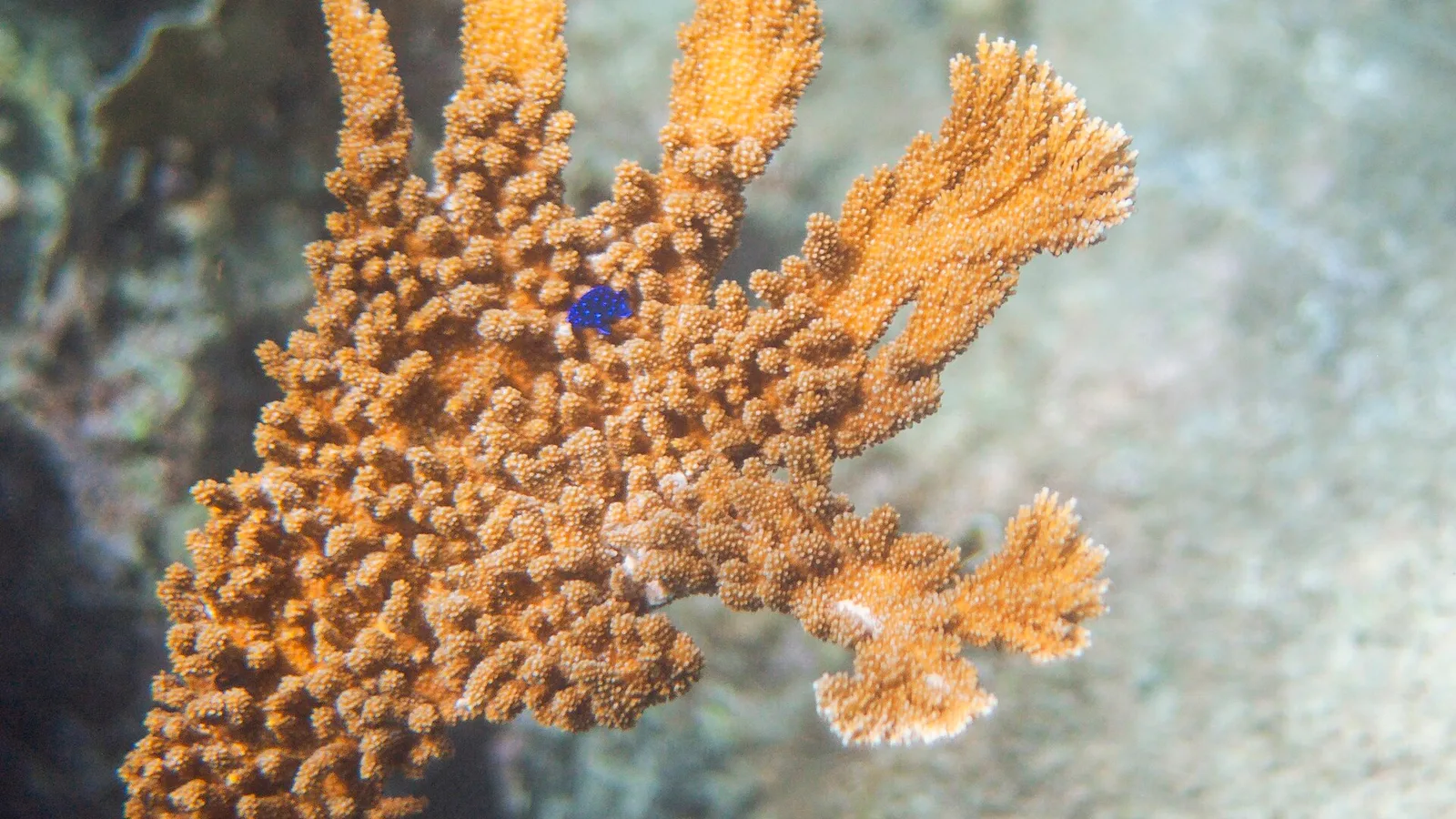
Photo: Matthew T Rader, Wikimedia Commons, CC BY-SA 4.0.

Key takeaways
- More than 38 dive sites are reachable from shore, on the tourist board's own count. A rental car does more for a diving week here than a package does.
- The Tugboat sits in about 5 m and suits anyone; the Superior Producer is a 50 m wreck at around 30 m with current, and it is an experienced-diver dive. Both are shore entries.
- Sea temperature averages about 27 °C, from 25.9 in February and March to 28.2 in September and October, on the island meteorological department's figures. Dry season February to May.
- No nature fee. CARMABI's own park page sets out no charge for divers, unlike Bonaire.
- The park does not check dive shops. None of the 7 register members have been assessed in person; all are Digital Members, so the tier tells you nothing beyond the fact of registering.
Diving from the beach
The shore-diving list the tourist board publishes runs to ten named entries and it puts the island's total at more than 38 sites you can walk into. Playa Lagun, Cas Abao and Kokomo Beach are the shallow, calm ends of it, with reef starting a few metres out. Playa Piskado aside, the point is that none of these needs a boat booking.
Alice in Wonderland at Playa Kalki is the one named first, coral garden with turtles and rays, and the reef drops away from roughly 9 to 30 m. Porto Mari has a double reef, two ridges with a sand channel between them. Blue Bay Wall is the vertical one and the board marks it as the more advanced dive.
That changes what a week costs and how it runs. Boat trips are for the sites that need them, not for every dive, and a shore-diving island rewards a car more than it rewards a package.
The Tugboat and the Superior Producer
The Tugboat is the postcard: a small wreck sitting in about 5 m in a sheltered bay, shallow enough that snorkellers see it and open-water divers can spend a whole tank on it. Barracuda, parrotfish and angelfish over an artificial reef that grew on a boat.
The Superior Producer is the opposite dive and the reason to keep building experience. A 50 m cargo ship that went down in 1977, upright at around 30 m, coral-covered, with current that operators warn about. It is an experienced-diver site and the depth alone puts it outside an open-water certificate.
Both are shore entries. That is unusual for a wreck at thirty metres and it is the sort of thing that decides where somebody spends a week.
When to go to Curaçao, and what the water does through the year
The Meteorological Department of Curacao puts sea temperatures at about 27 °C on average, coldest around February and March at about 25.9 °C and warmest around September and October at about 28.2 °C. A 3 mm suit covers the range for most people.
The dry season runs February through May and the rainy season October to January, on the same department's figures. Rain here is squalls rather than a monsoon, and it does not close the diving.
The bigger point for anyone planning around the Caribbean calendar: the department describes the Dutch Leewards as sitting on the southern edge of the Atlantic hurricane region, which makes direct impacts “relatively rare compared to islands farther north”. Rare is not never, and it is not a forecast, but it is why the island dives in September when much of the Caribbean does not.
What it costs to get in the water
Nothing, at the water's edge. CARMABI's own marine park page sets out no fee, no permit and no nature tag for divers or snorkellers. Neighbouring Bonaire runs a nature fee that every diver pays; Curacao, on the manager's own published page, does not.
A levy on nature use was drafted for Curacao in 2023 and reported at 100 guilders. It is not on CARMABI's page and not something to budget for, but it is the kind of thing that changes between one season and the next, so it is worth a look before a long trip.
The marine park, and the limit of what it tells you
The park is run by the CARMABI Foundation, a non-profit founded in 1955, and covers in its own words “over 10,000 hectares of pristine marine habitats” along the southern coast: which is the coast every site above sits on.
It protects habitat. It does not license dive shops, and its own page states no rules for operators, so a business working inside the park has not been checked by the park. The Green Fins register, read between 2026-08-14 and 2026-09-21, carried 7 members in Curaçao, and none of the 7 has been assessed in person: all are Digital Members, which means registered and never visited. The tier column on the operator list is therefore the same for every one of them and carries no information.
Of the operator sites, 22 of the 25 responded. Training agencies named on the pages that did: PADI on 4 and SSI on 1. Not one of the 25 publishes which languages their instructors teach in. What to ask instead of looking for a badge: how many divers per guide, what the plan is if a current picks up on the Superior Producer, and whether the shop rents tanks for unguided shore dives.
FAQ: Curaçao
Is Curacao good for shore diving?
It is the reason to go. The tourist board counts more than 38 sites reachable from the beach, including both signature wrecks. Playa Lagun, Cas Abao and Kokomo Beach are the calm shallow ends; Blue Bay Wall is the vertical one.
When is the best time to dive Curacao?
Any month. Sea temperature averages about 27 degrees, from about 25.9 in February and March to about 28.2 in September and October, on the Meteorological Department of Curacao's figures. The dry season is February through May, the rainy season October to January, and the island sits on the southern edge of the hurricane region where direct impacts are relatively rare.
How deep is the Superior Producer wreck?
Around 30 m, a 50 m cargo ship that sank in 1977, entered from shore. The depth and the current put it beyond an open-water certificate; operators treat it as an experienced-diver site. The Tugboat, at about 5 m, is the one everybody can dive.
Is there a nature fee or marine park fee in Curacao?
Not on CARMABI's own marine park page, which sets out no fee, permit or tag for divers. Bonaire charges one; Curacao does not. A nature levy was drafted in 2023 and reported at 100 guilders but does not appear on the park manager's page.
Are Curacao dive operators independently checked?
Not by the marine park, which protects habitat and states no rules for operators, and not by Green Fins: 7 Green Fins operators, 0 assessed in person. Every member on this list is a Digital Member, meaning registered with no in-person assessment.
Writes NOMADREEF and compiles its operator directory. This guide is desk research, not a trip report, and says so at the top. About the author
Sources
- Meteorological Department of Curacao, climate. Sea temperatures averaging about 27 °C, 25.9 °C in February and March and 28.2 °C in September and October; dry season February to May, rainy season October to January; and the Dutch Leewards on the southern edge of the Atlantic hurricane region. meteo.cw. Read 2026-09-08.
- Curacao Tourist Board, best shore diving spots. The count of more than 38 shore-reachable sites and the ten it names, including Alice in Wonderland at Playa Kalki, the Tugboat, Porto Mari and Blue Bay Wall. curacao.com. Read 2026-09-08.
- CARMABI Foundation, Curacao Marine Park. The park covering “over 10,000 hectares of pristine marine habitats” along the southern coast, and the absence of any stated fee or operator rule. carmabi.org. Read 2026-09-08.
- Green Fins member register, Reef-World Foundation with the UN Environment Programme, greenfins.net. Membership and assessment status for 7 of the 25 operators, read between 2026-08-14 and 2026-09-21. What separates an assessed member from a registered one is set out by Green Fins itself: certified against digital membership.
- Each operator's own website, opened between 2026-08-24 and 2026-09-21, for the training agencies they name.