Canyoning for Beginners
 by Yannick Schroth
Jul 30, 2026
7 min read
by Yannick Schroth
Jul 30, 2026
7 min read
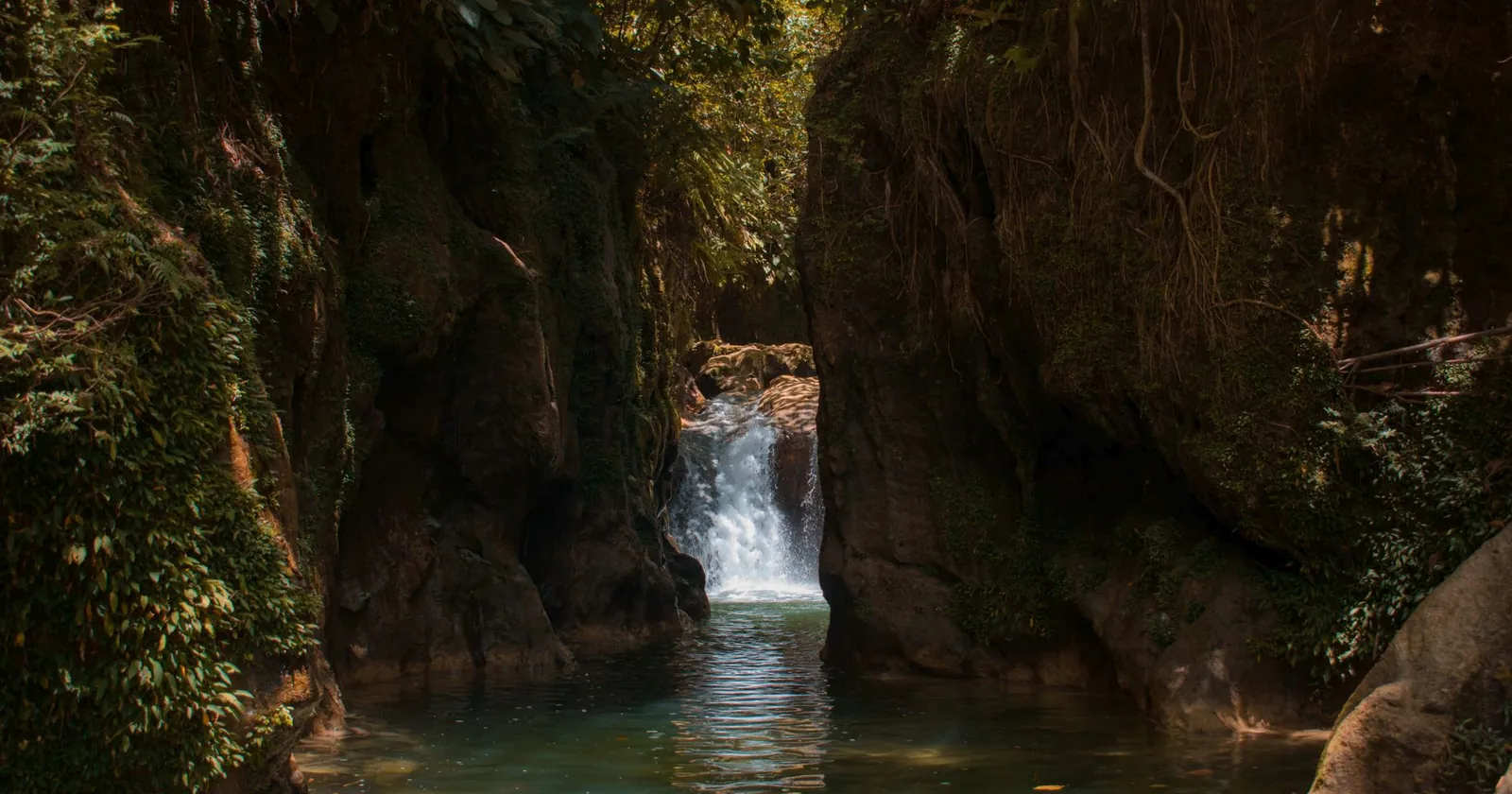
Photo: Archie Binamira via Pexels (free licence).
This is general beginner guidance, not a substitute for a qualified guide and safety training.
Key takeaways
- Descend a gorge by abseiling, sliding, jumping and swimming.
- Guided trips need no rope skills; the guide handles the technical work.
- Flash floods are the danger that kills groups: the forecast is everything. Jumps are what injures individuals.
- Operators provide the wetsuit, helmet and harness.
- Jumps and slides are often optional; only where the guide directs.
What canyoning is
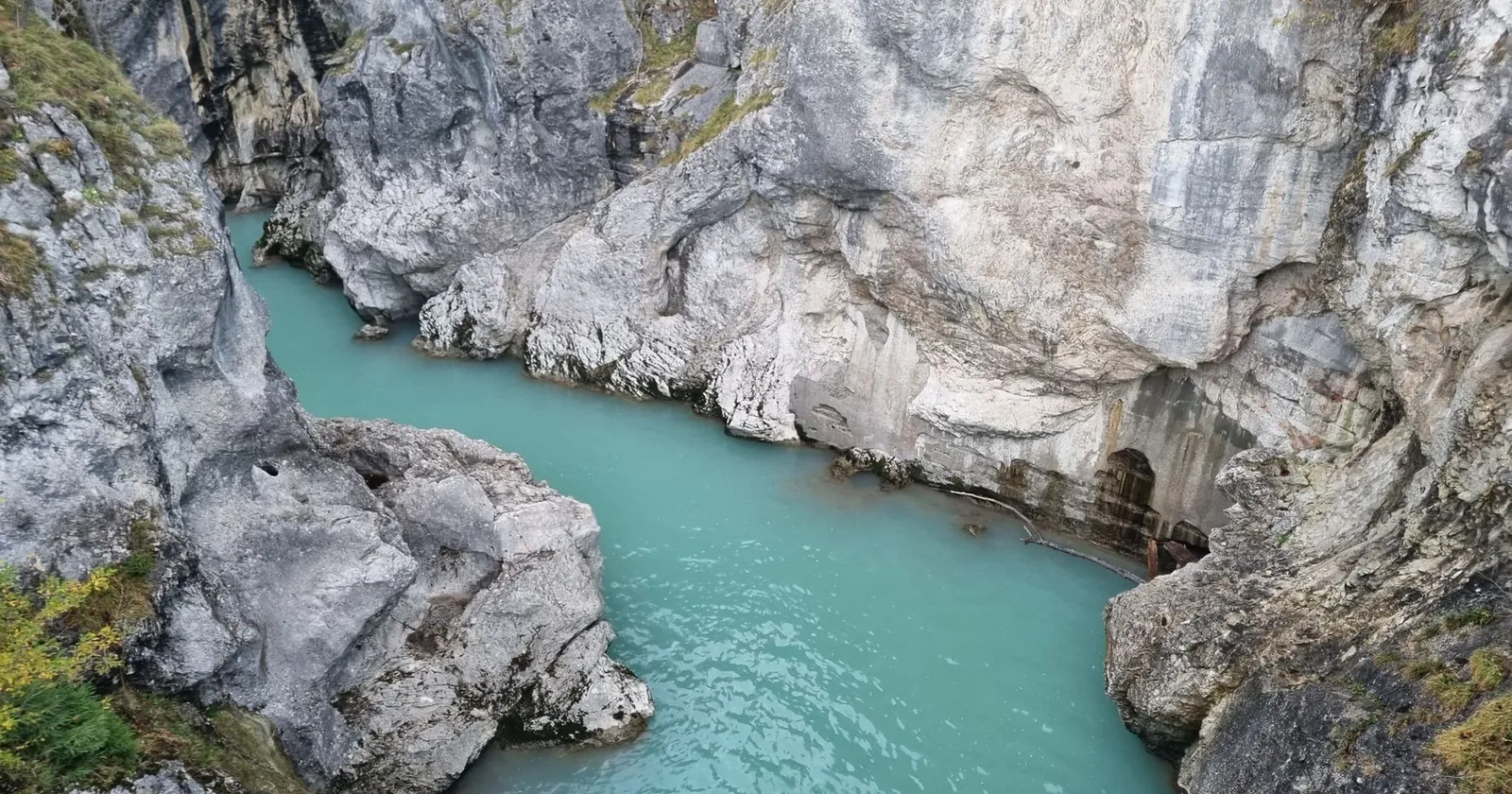
Canyoning (also called canyoneering) means descending a canyon or gorge by following the water down, mixing walking and scrambling, abseiling (rappelling) down waterfalls, sliding natural rock chutes, jumping into pools, and swimming through them. It blends climbing, hiking and water sport in a spectacular setting. Trips are graded by difficulty, from gentle mostly-walking canyons to serious technical descents.
The beginner path
Step 1: Book a reputable guided trip
For a first time, book a qualified canyoning operator. Guides handle the ropes and abseils, pick a canyon to suit the group and conditions, check jumps and slides, and assess the weather and flood risk. You need no prior rope or climbing skills for a beginner guided canyon.
Step 2: Gear up correctly
Operators provide the technical and safety gear: a wetsuit (often thick, for cold water and impact), a helmet, a harness for abseils, and sometimes a buoyancy aid. You bring sturdy grippy shoes that can get wet and a swimsuit underneath.
Step 3: Follow the guide
Listen and follow the guide exactly on every abseil, slide and jump. Only jump or slide where and how the guide directs, since depth and submerged rocks are hidden, and keep your abseil technique as taught. Many jumps are optional, so take part at your comfort level.
What actually hurts people, which is not what you would guess
Calling the flash flood the number-one danger is true about consequences and misleading about frequency, and both halves are worth having. The largest published series we found, 471 people involved in canyoning accidents in Austria between 2005 and 2018, puts the causes in a different order: jumping 23.4%, rappelling 10.8%, sliding 8.7%, stumbling 5.5%. Injuries land on the lower extremities in 47.5% of cases, the upper extremities in 23.2% and the spine in 15.7%. Of those 471, 162 were severely injured and nine died, a mortality of 1.9% within that accident group, or an absolute risk of 0.02 deaths per 1000 hours of canyoning. And the deaths, in the authors' words, were "mainly caused by drowning".
So the ordinary canyoning injury is an ankle or a lower leg, taken on a jump you chose to make. The flash flood is the event that kills a whole group at once, which is why it dominates the safety talk and why the guide's weather call is the one decision you cannot make for yourself. Both matter, and treating the jumps as the fun part rather than the statistically dangerous part is how people limp home. Checked 12 August 2026.
Where to try it
Canyoning is offered in mountain and gorge country worldwide, from the Alps to the tropics. See our adventure water destinations for where canyoning, coasteering and packrafting shine, and pair it with our coasteering guide for the coastal cousin.
FAQ: canyoning for beginners
What is canyoning?
Canyoning, also called canyoneering, is descending a canyon or gorge by following the watercourse down, using a mix of walking and scrambling, abseiling (rappelling) down waterfalls, sliding down natural rock chutes, jumping into pools, and swimming through them. It combines elements of climbing, hiking and water sport in a dramatic natural setting. Trips are graded by difficulty, and it ranges from gentle, mostly-walking canyons to serious technical descents that require expert rope skills.
Do I need experience to go canyoning?
Not for a beginner guided trip. On a guided canyon, qualified guides handle the ropes and abseils, choose an appropriate route, and teach you what you need on the day, so you do not need prior climbing or rope skills. You should be reasonably fit and comfortable in water. Going independently is completely different: that requires proper training in rope work, canyon rescue and flash-flood awareness, and should never be attempted without those skills.
What is the biggest danger in canyoning?
Flash flooding is the danger with the worst consequences in canyoning, though not the most frequent cause of accidents. Heavy rain, even far upstream and out of sight, can send a sudden surge of water through a narrow canyon with little warning, and canyons offer few escape routes, which has caused fatal accidents. This is the main reason to go with a reputable guide who monitors the weather and flood risk and will cancel or alter a trip, and never to enter a canyon without checking the forecast and having the skills to judge the conditions. Cold water and the abseils and jumps are other real hazards.
What gear do you need for canyoning?
Operators provide the technical and safety gear: a wetsuit (often thick, for cold canyon water and impact protection), a helmet, a harness for the abseils, and sometimes a buoyancy aid, along with all the ropes and hardware. You bring sturdy, grippy shoes that can get wet and a swimsuit to wear underneath, and sometimes the operator hires out canyoning shoes. Because reputable operators supply the safety-critical equipment, you rarely need to buy anything to try canyoning on a guided trip.
Do you have to do the jumps and slides?
Usually not, on beginner and intermediate guided trips. Many jumps and slides are optional, with the guide offering an alternative such as climbing down or a lower option, so you can take part at your own comfort level. The abseils are generally the way down waterfalls and are done with the guide's rope and instruction. Never feel pressured to jump or slide, and only ever do so exactly where and how the guide directs, since hidden rocks and shallow water make freelancing dangerous.
Yannick Schroth
Founder of NOMADREEF and a former digital nomad. This guide explains what to expect on a beginner guided canyoning trip; it is not a substitute for a qualified guide and safety training. Flash floods are a genuine, fatal risk, so the weather and a reputable operator come first. About the author · LinkedIn ↗
Sources
- Ströhle M, Beeretz I, Rugg C, Woyke S, Rauch S, Paal P, "Canyoning Accidents in Austria from 2005 to 2018", International Journal of Environmental Research and Public Health 17(1):102, 2019. "471 persons were involved in such accidents; 162 (34.4%) were severely injured, nine of whom died"; "overall mortality was 1.9% (n = 9), and the absolute risk was 0.02 deaths per 1000 hrs of canyoning"; causes "jumping (n = 110, 23.4%), rappelling (n = 51, 10.8%), sliding (n = 41, 8.7%) and stumbling (n = 26, 5.5%)"; injuries to "lower extremities (n = 133, 47.5%), followed by the upper extremities (n = 65, 23.2%) and the spine (n = 44, 15.7%)"; and "death was mainly caused by drowning". PMC6982325, checked 12 August 2026. Corrected 12 August 2026: this page called the flash flood "the number-one danger" without qualification. It is the danger with the worst consequences, and the guide's weather call is still the decision you cannot make yourself, but the accidents that actually happen are jumps and abseils, and the page now says both. Austrian data, one country and one period, so read it as the shape of the risk rather than a world figure.
- HSE, Adventure Activities Licensing Regulations 2004 (SI 2004/1309) and the licensable activities list. A licence is required from anyone providing in-scope activities "in return for payment" to "young people under 18"; voluntary associations serving their own members are outside the scheme; and the climbing category names "gorge walking, ghyll scrambling" and "sea level traversing", not canyoning or coasteering. HSE, activities, checked 12 August 2026.
- Canyoning conventions (abseiling, sliding, jumping, swimming), guided operation, gear, and flash-flood safety.
- Our own coasteering and adventure water destinations guides.